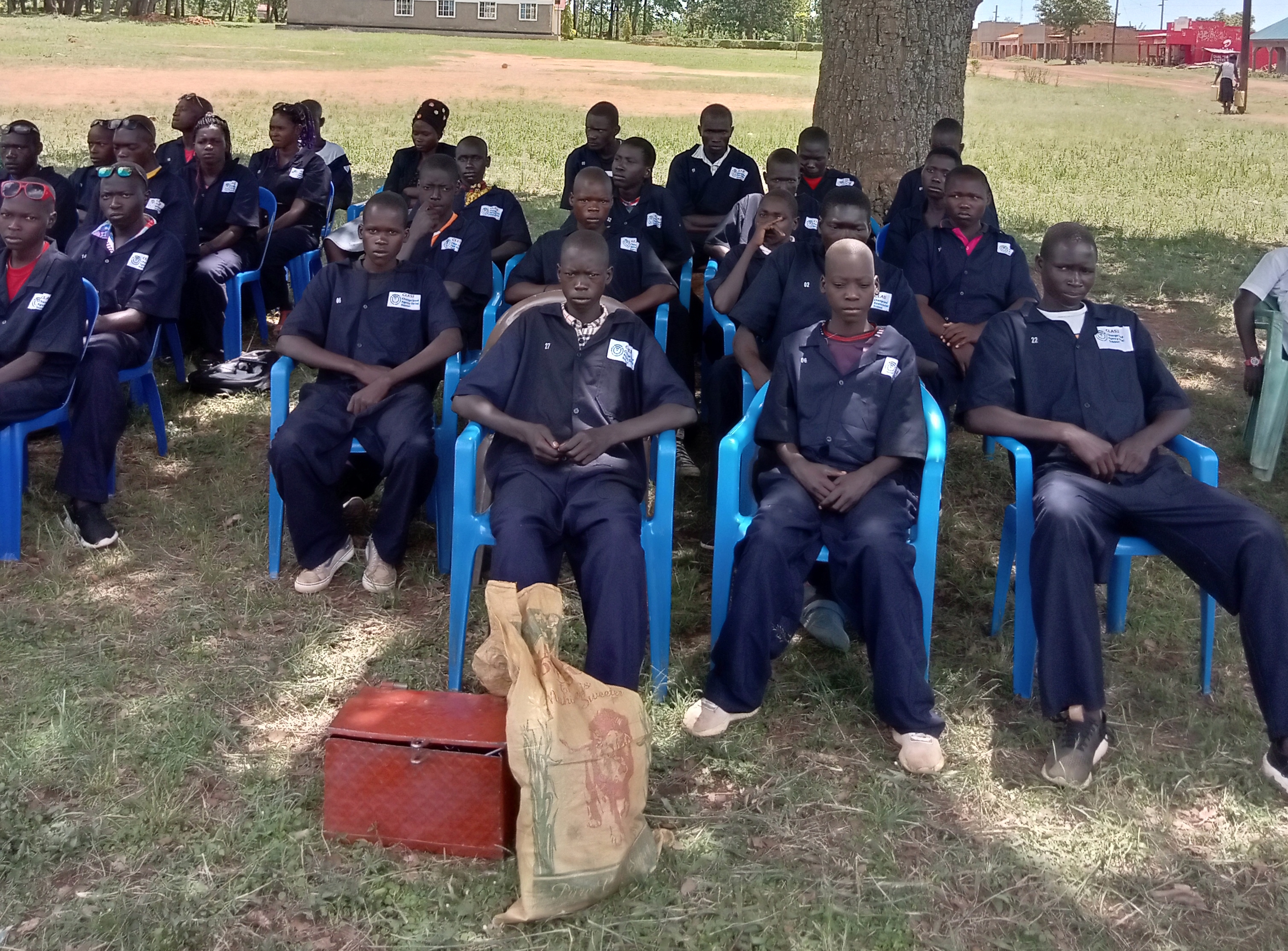
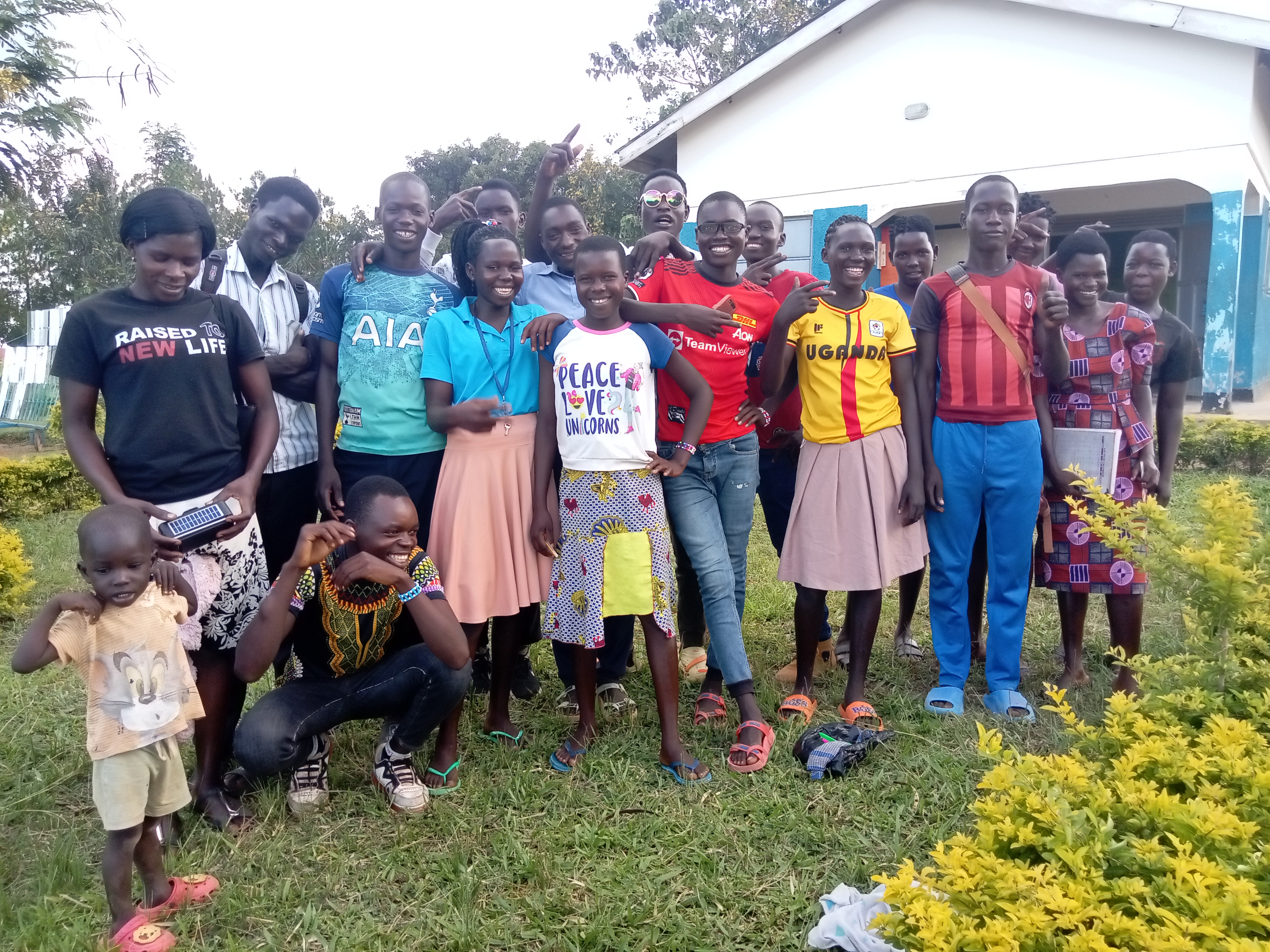
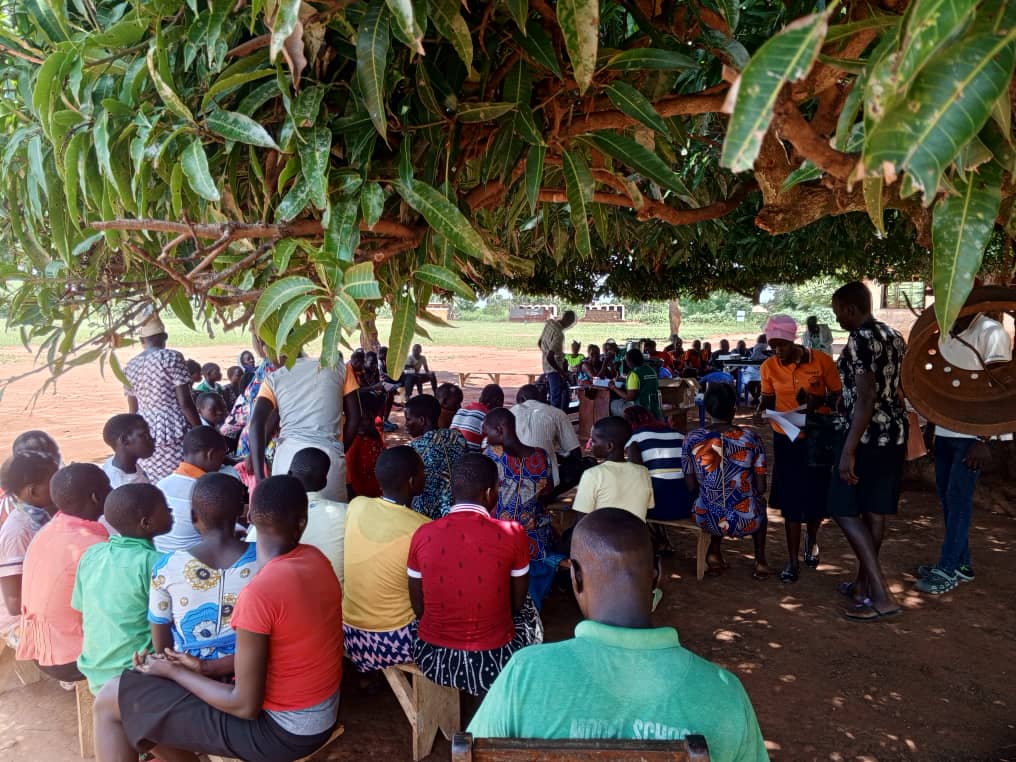
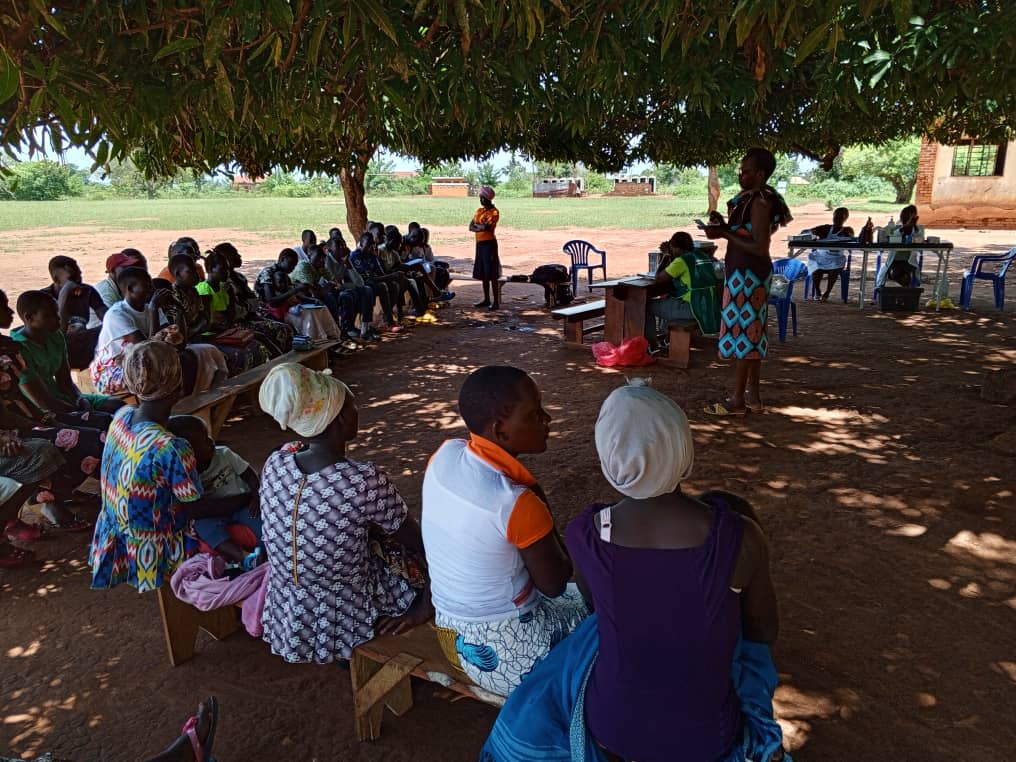
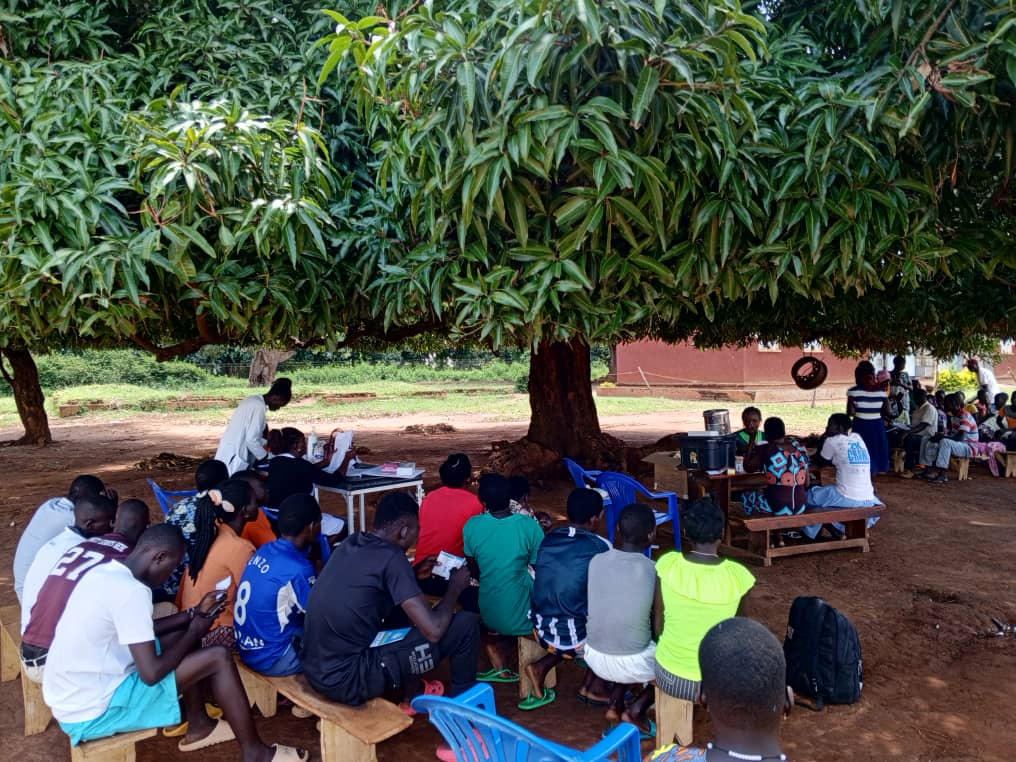
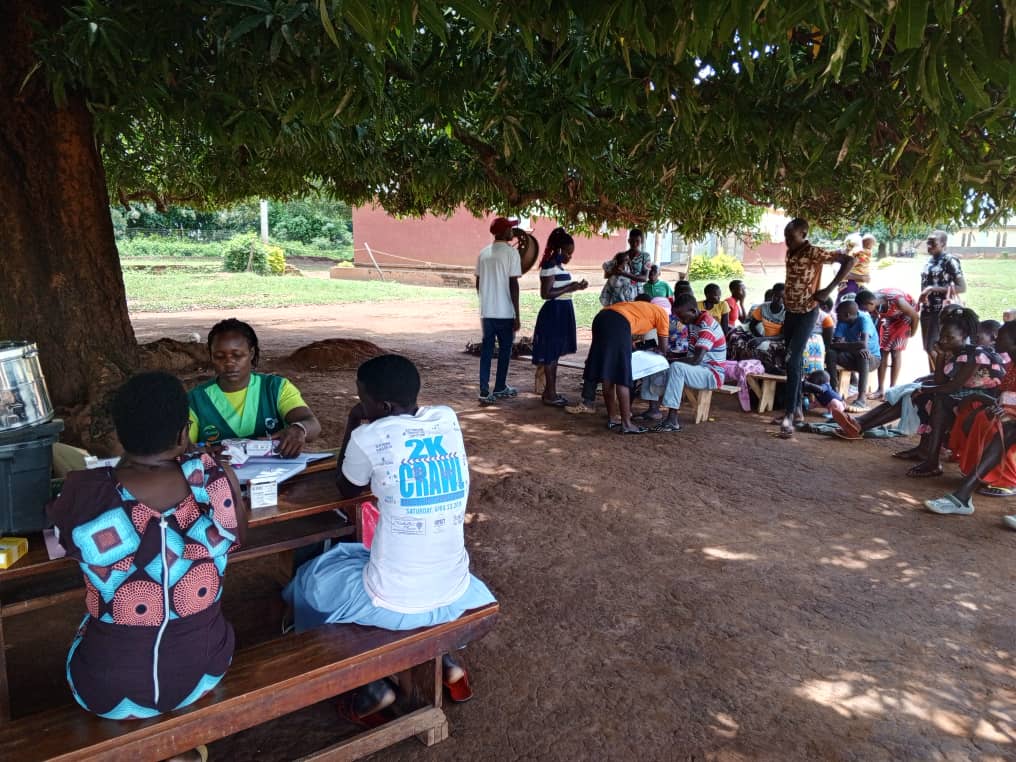
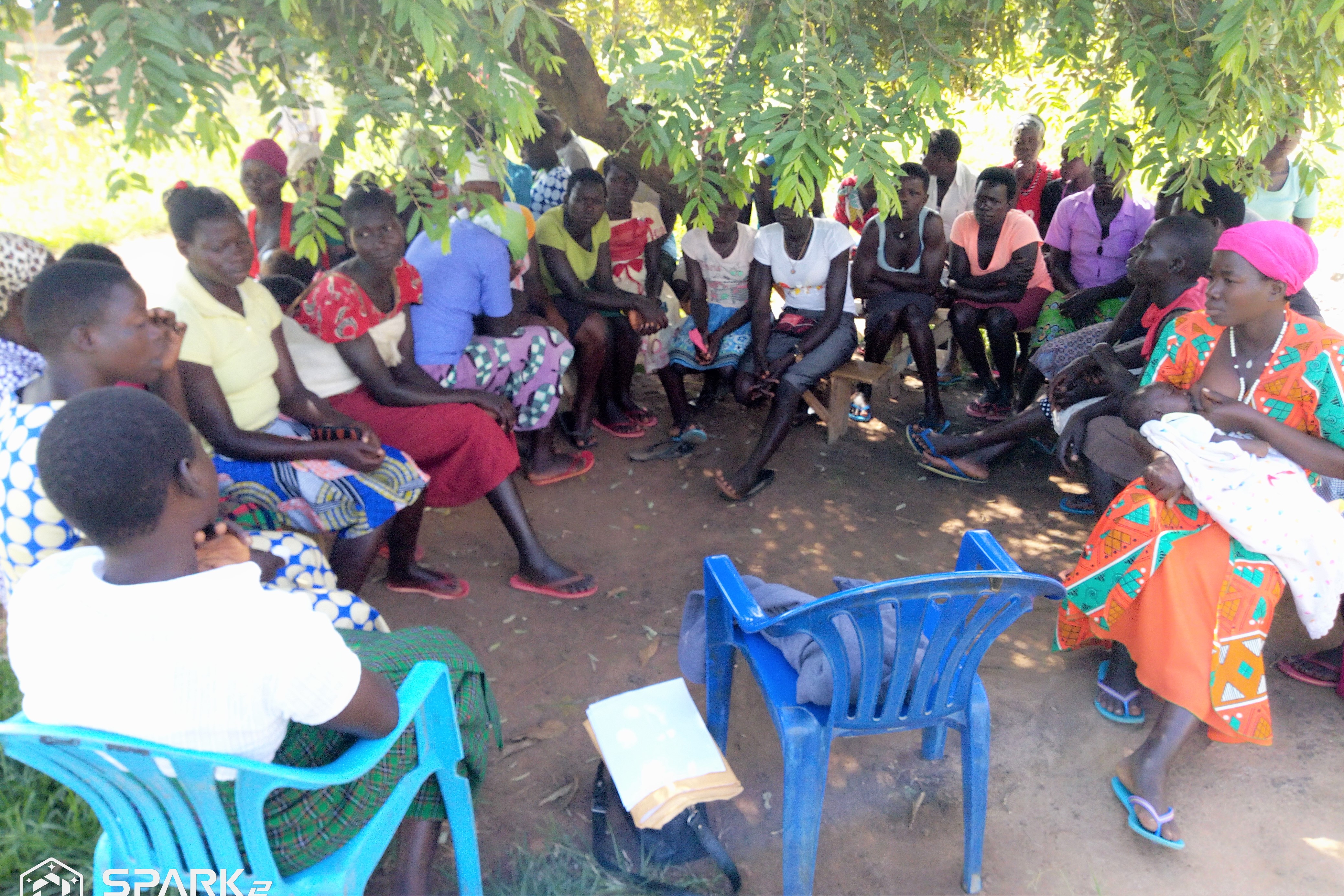
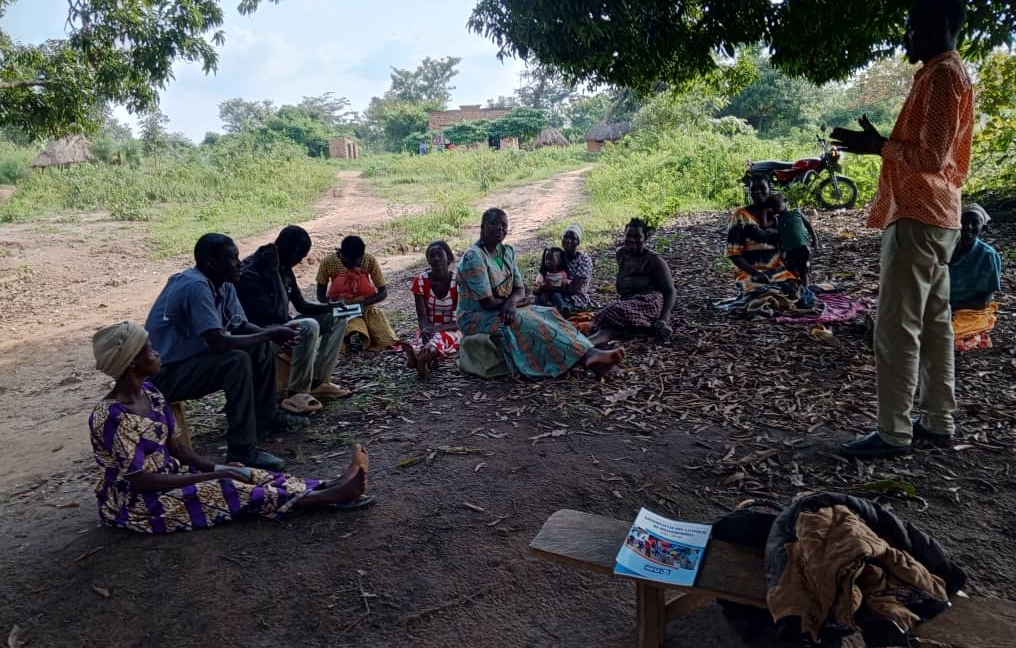
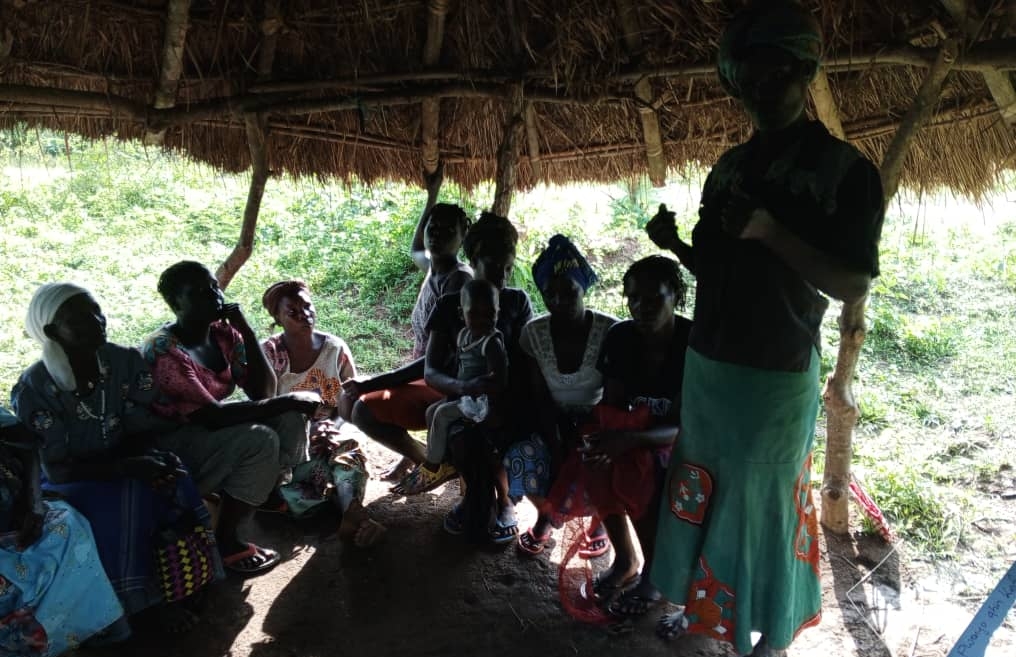
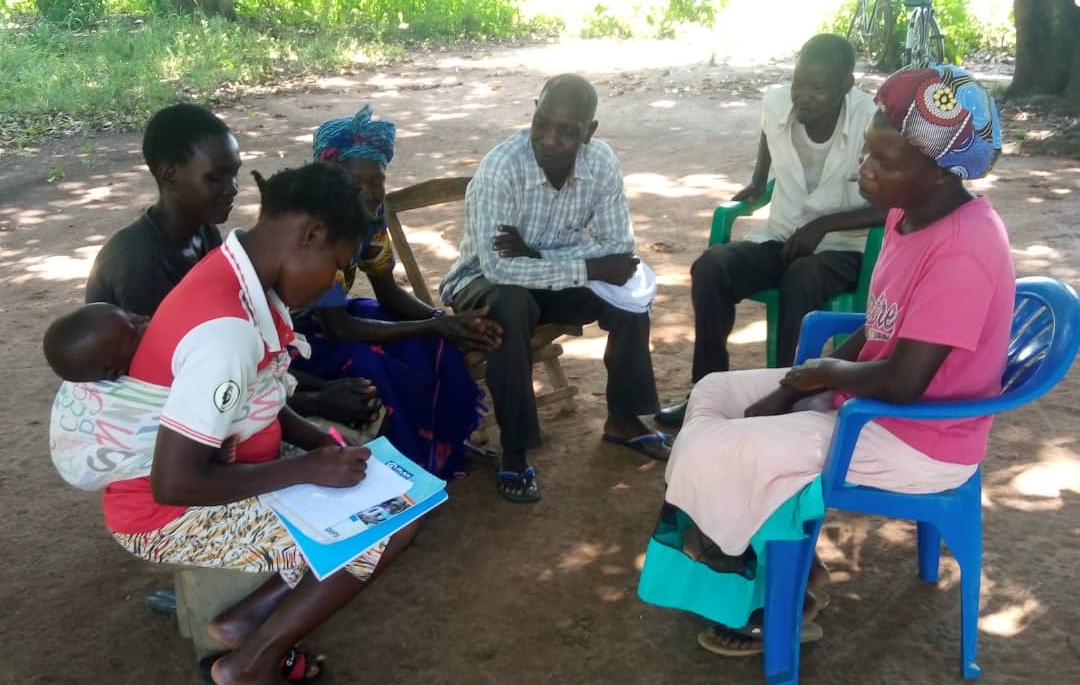
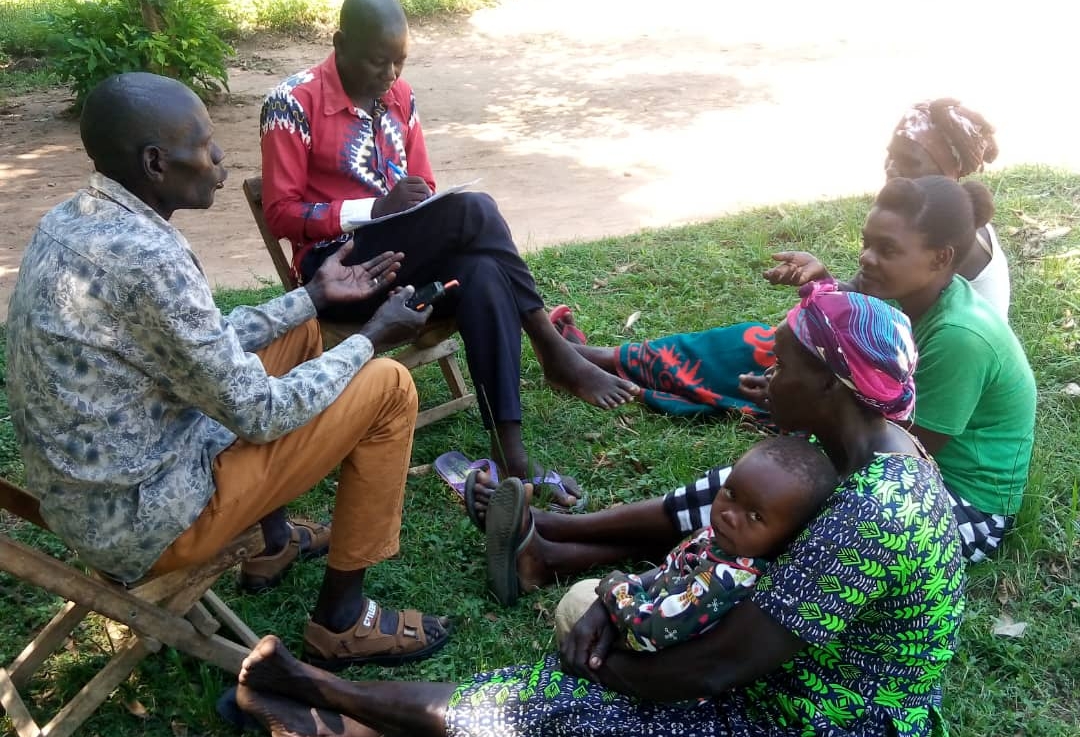
1. I Decide Project
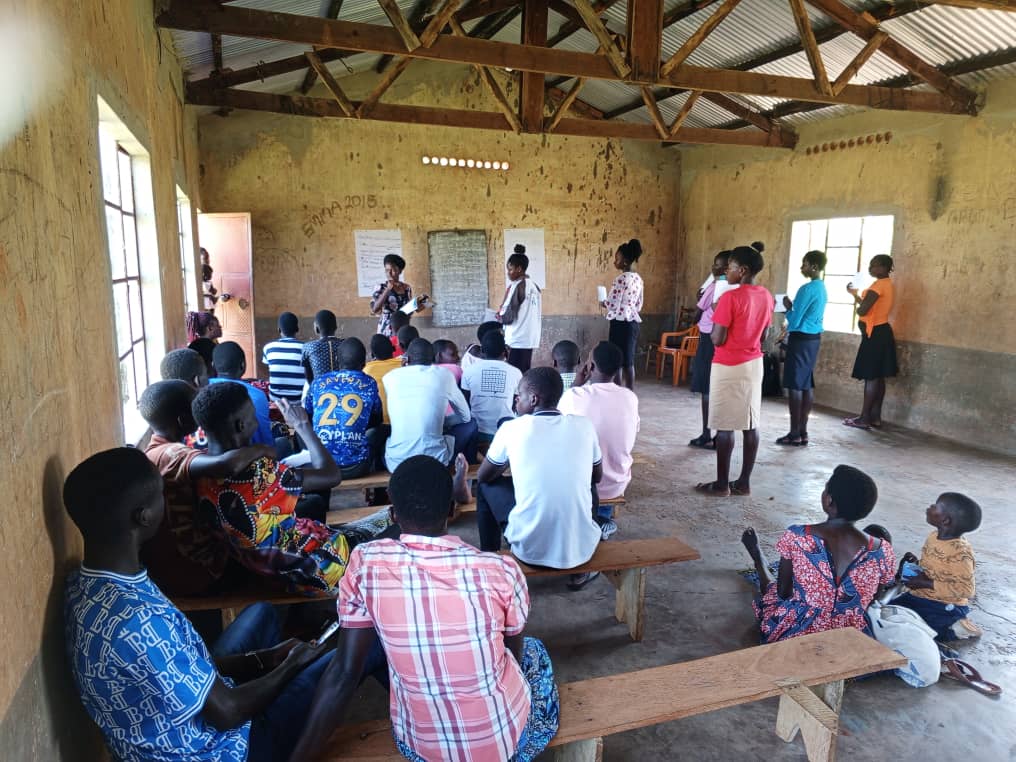
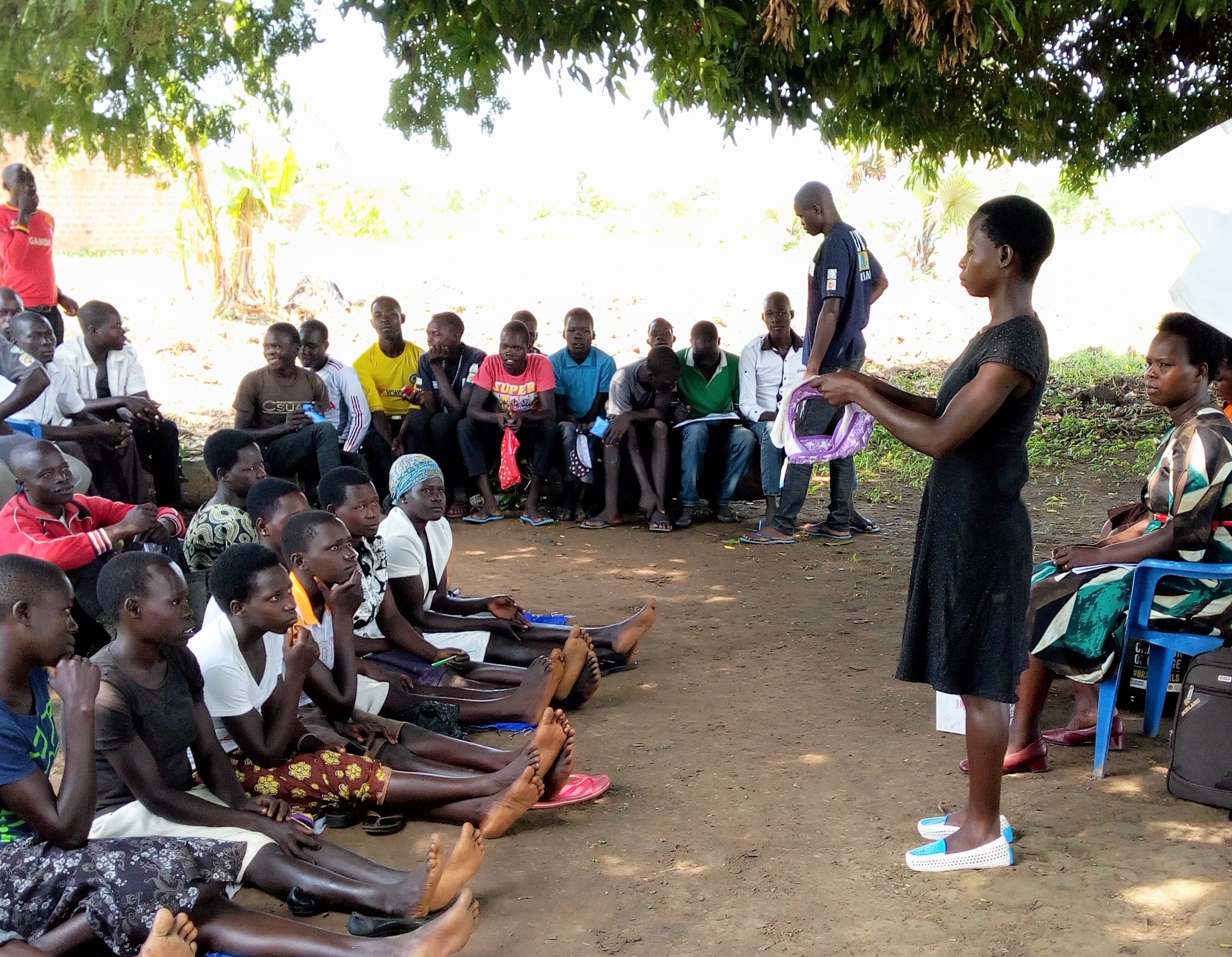
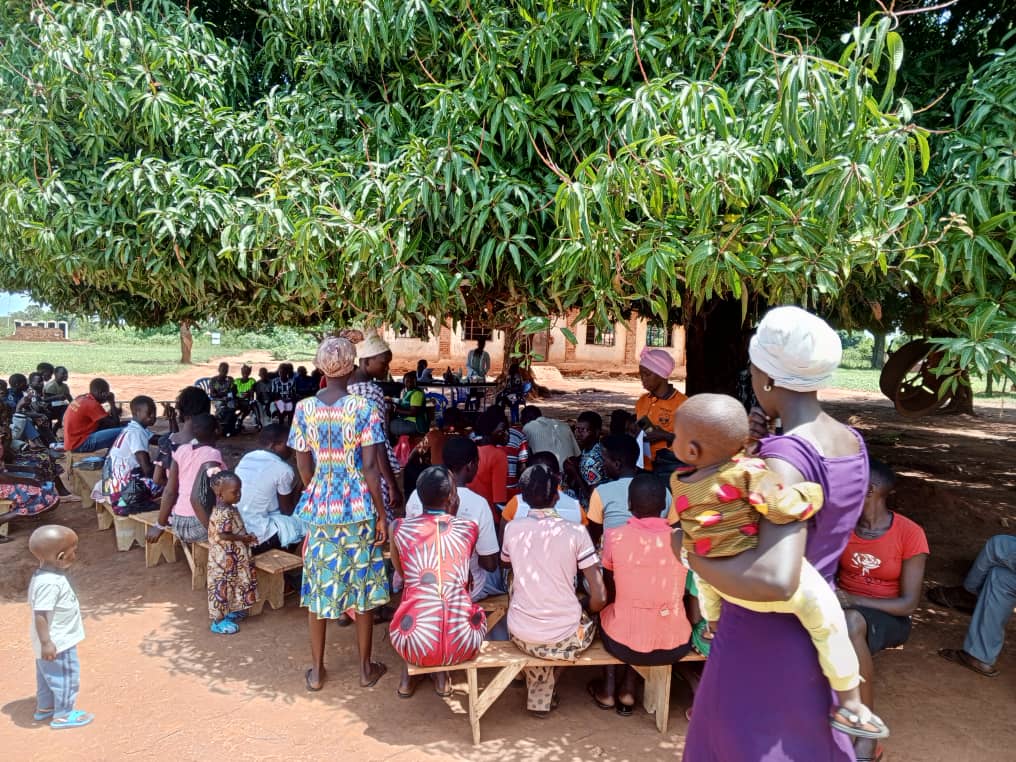
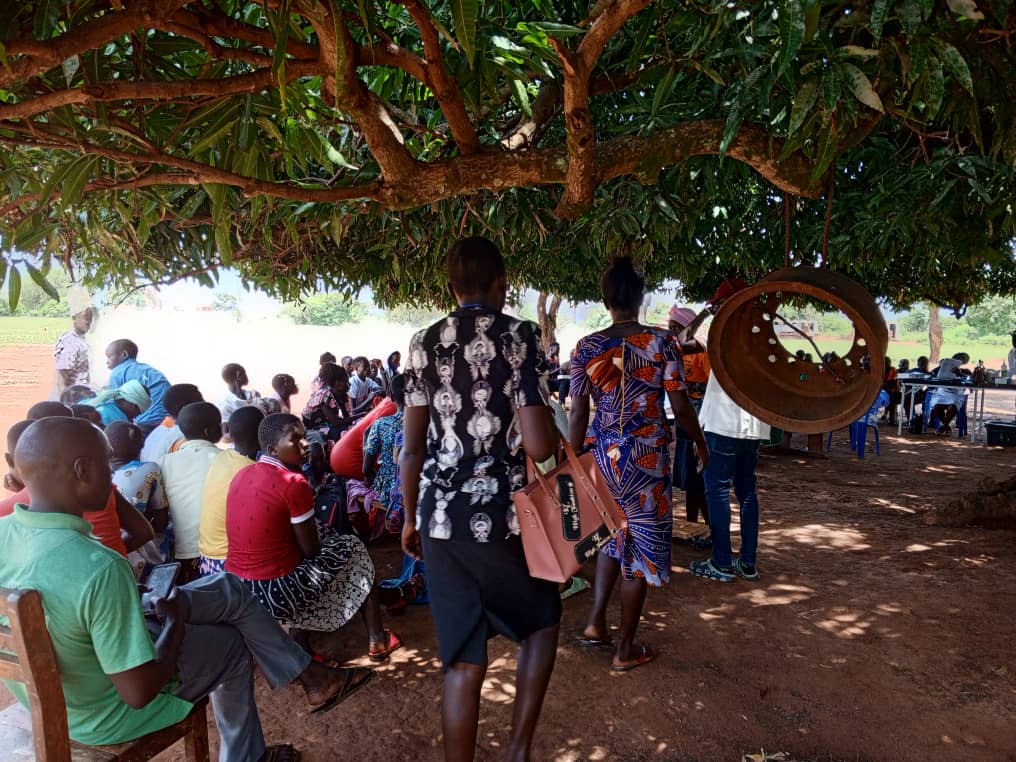
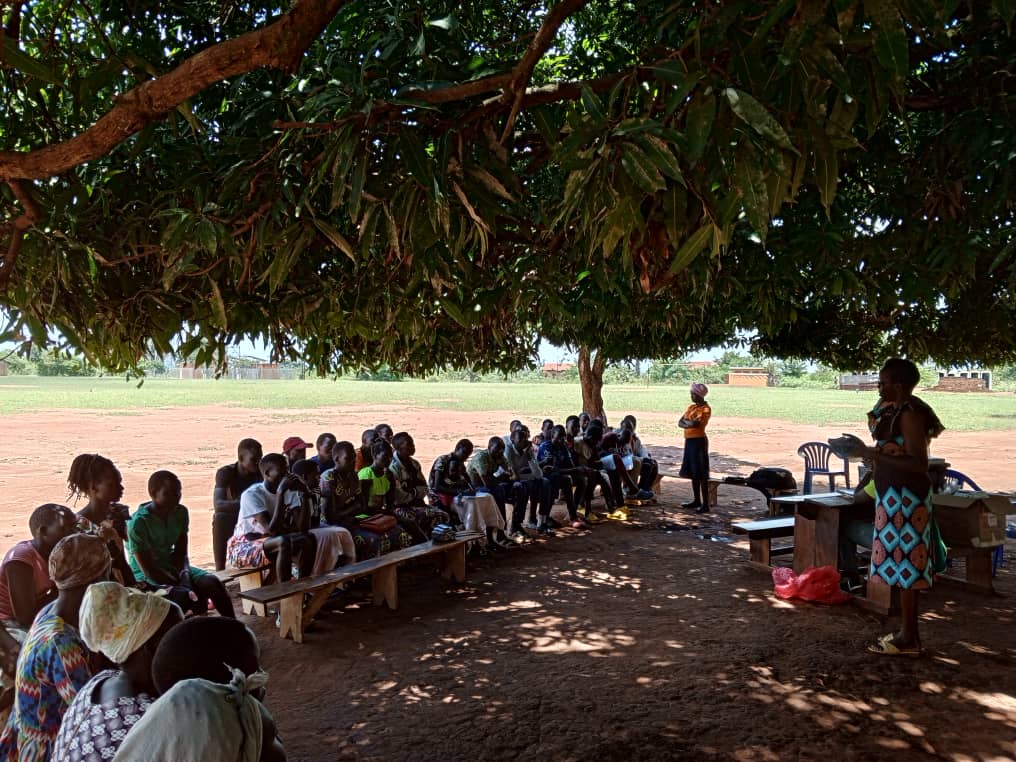
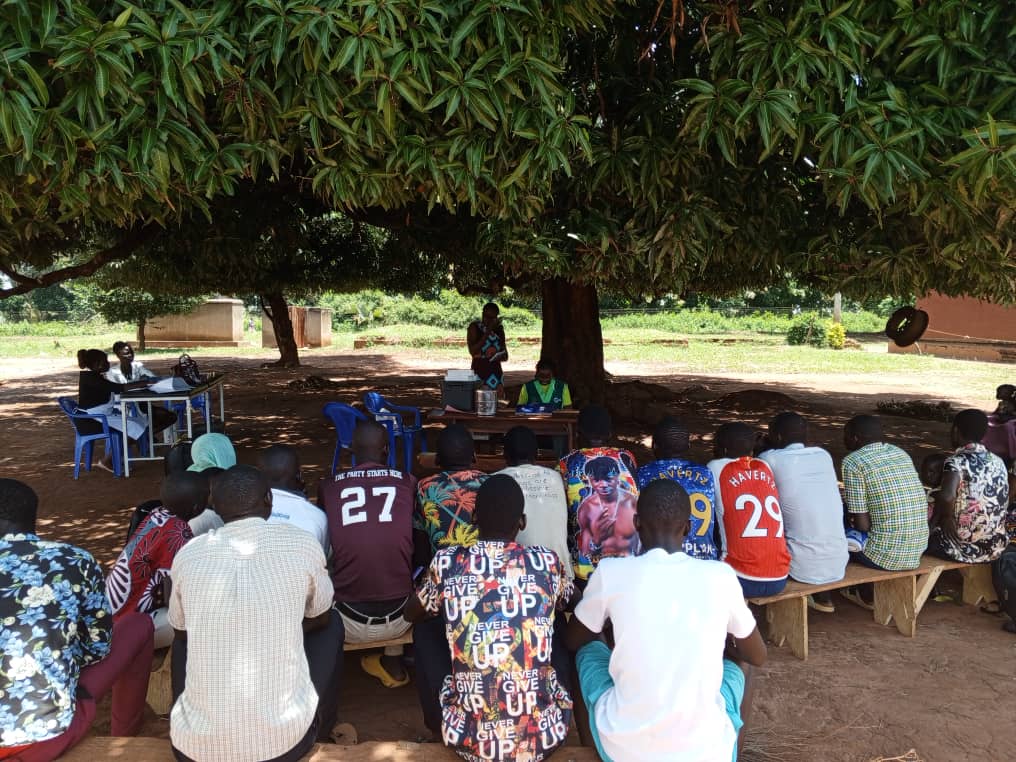
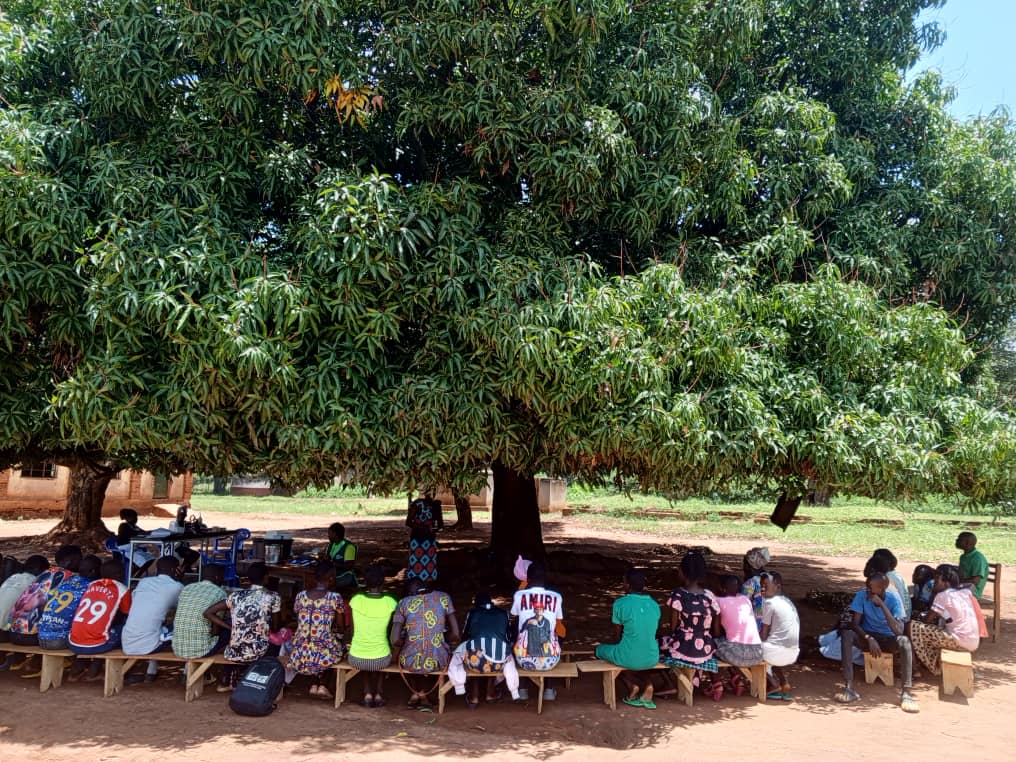
The I Decide Project, funded by Plan International, began in
2022 and is set to run until 2025. The project is currently
ongoing and aims to ensure that children and youth in all their diversity have
control over their bodies and future in a healthy, safe, and supportive environment.
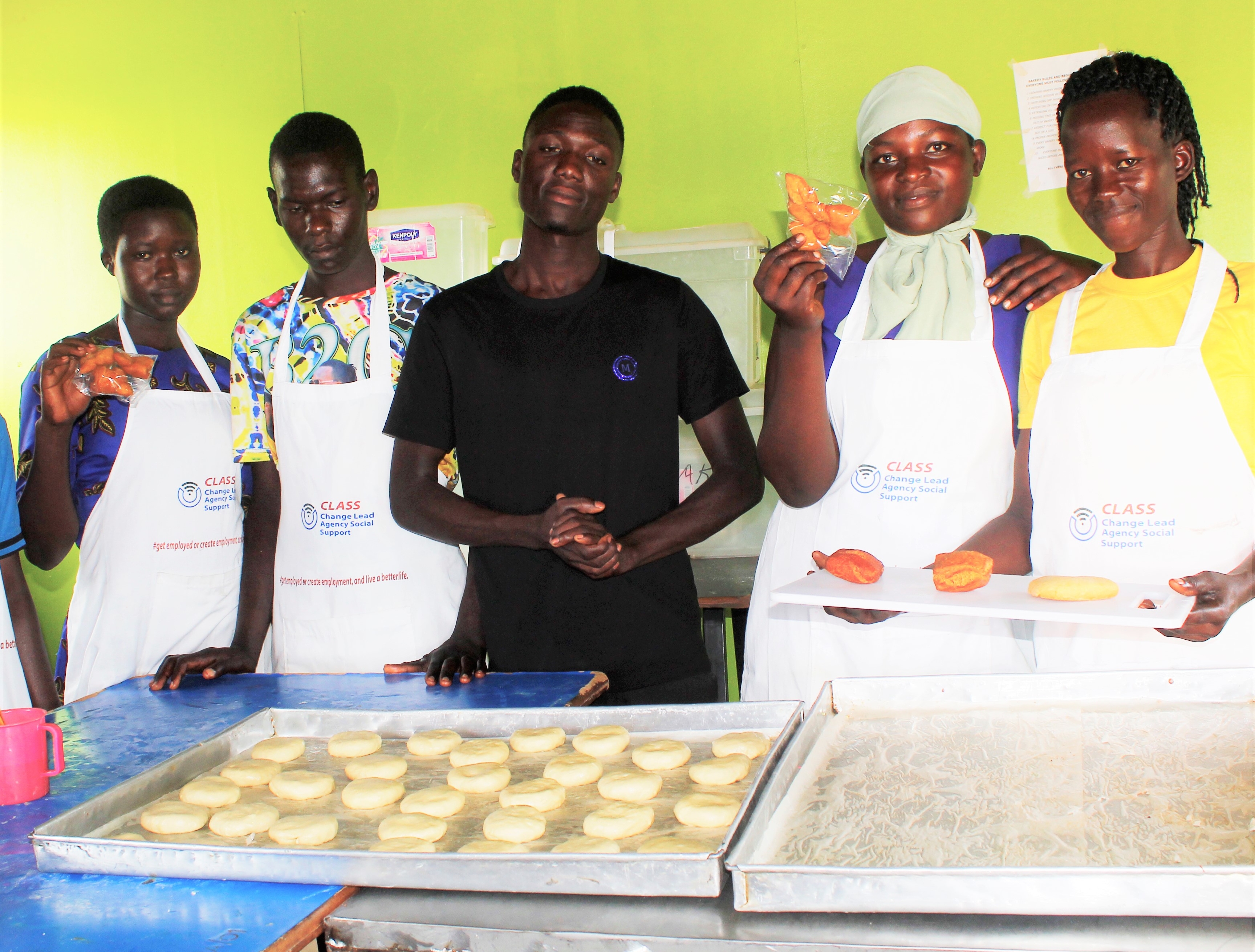
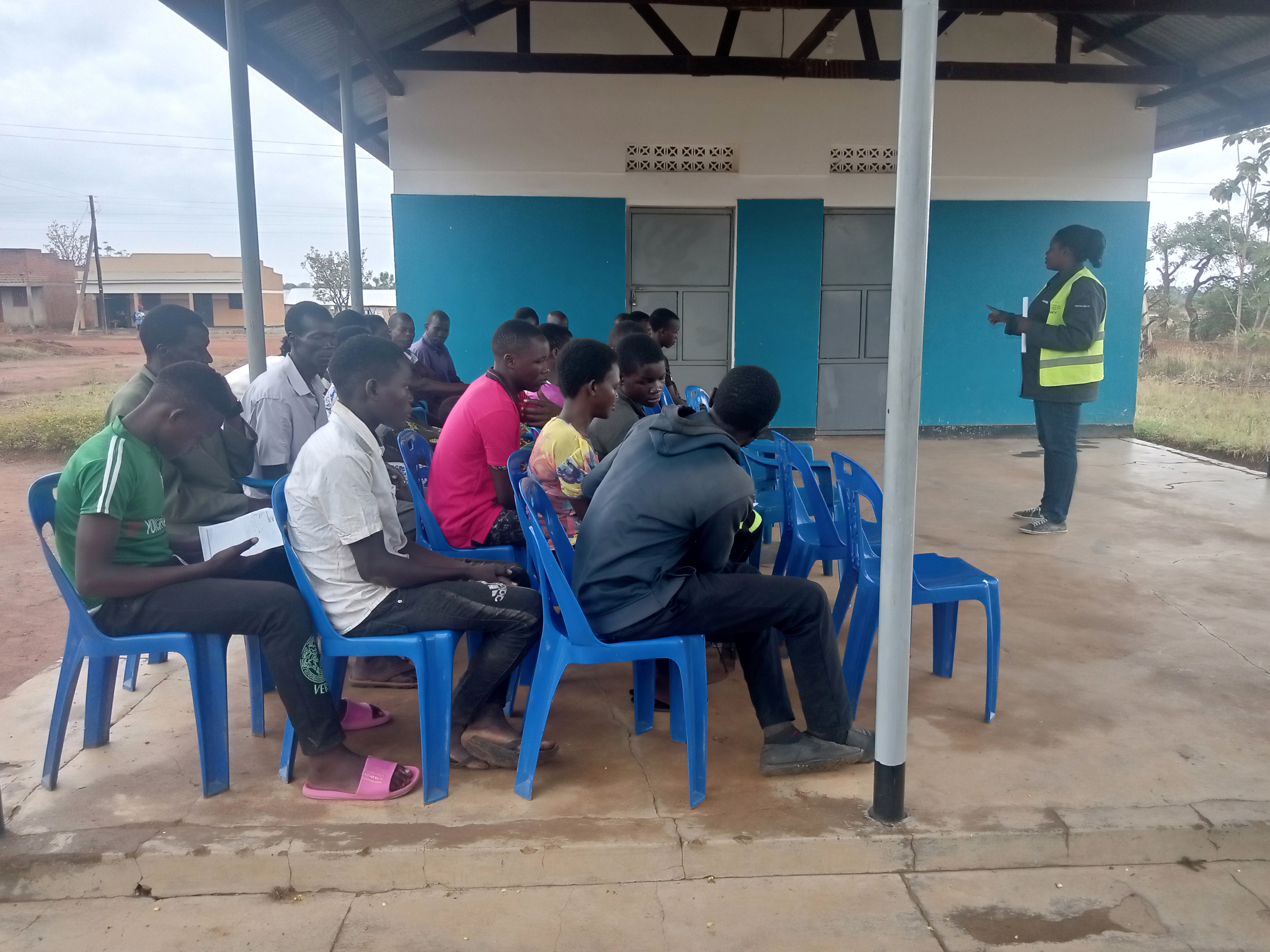
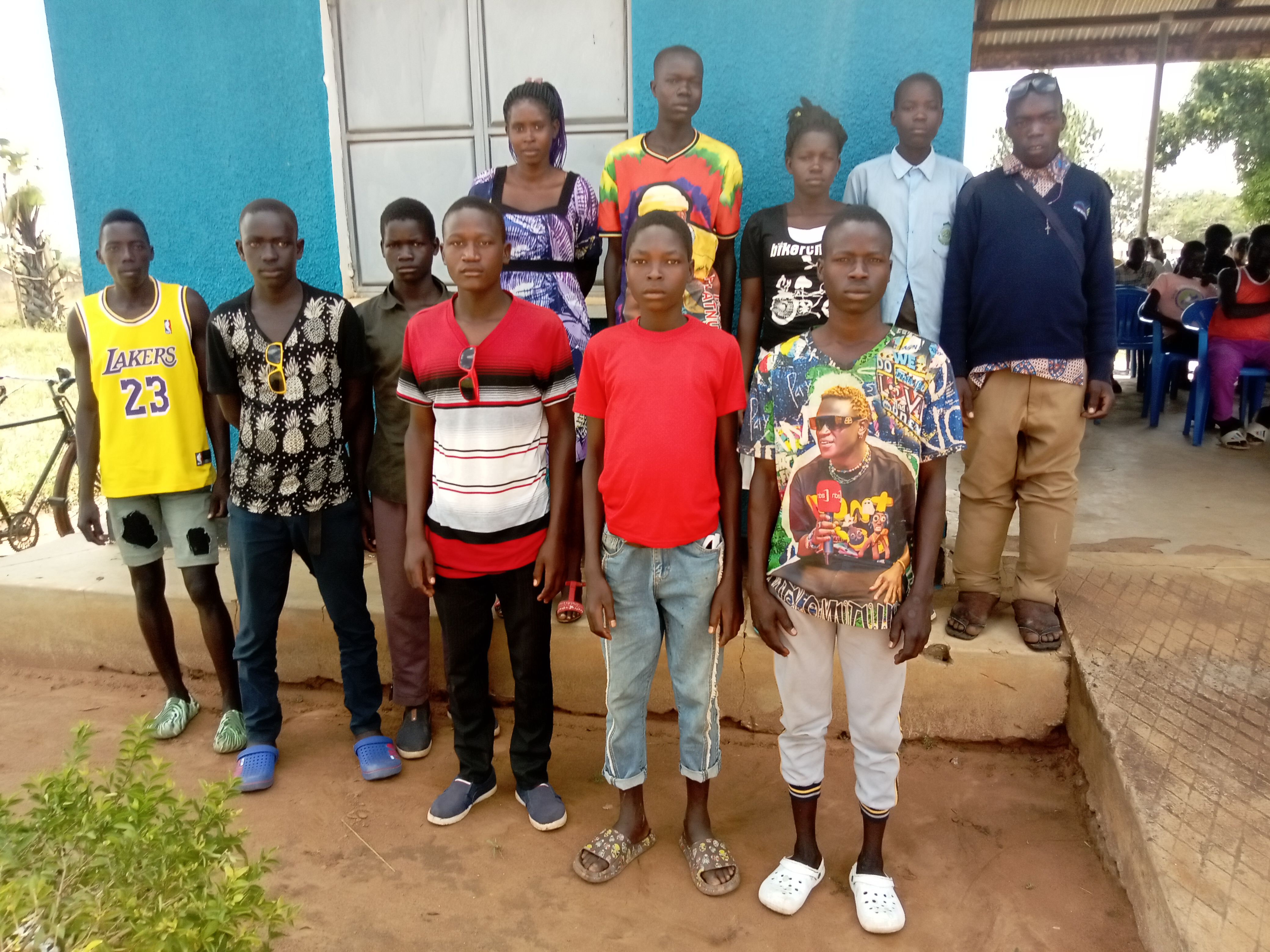
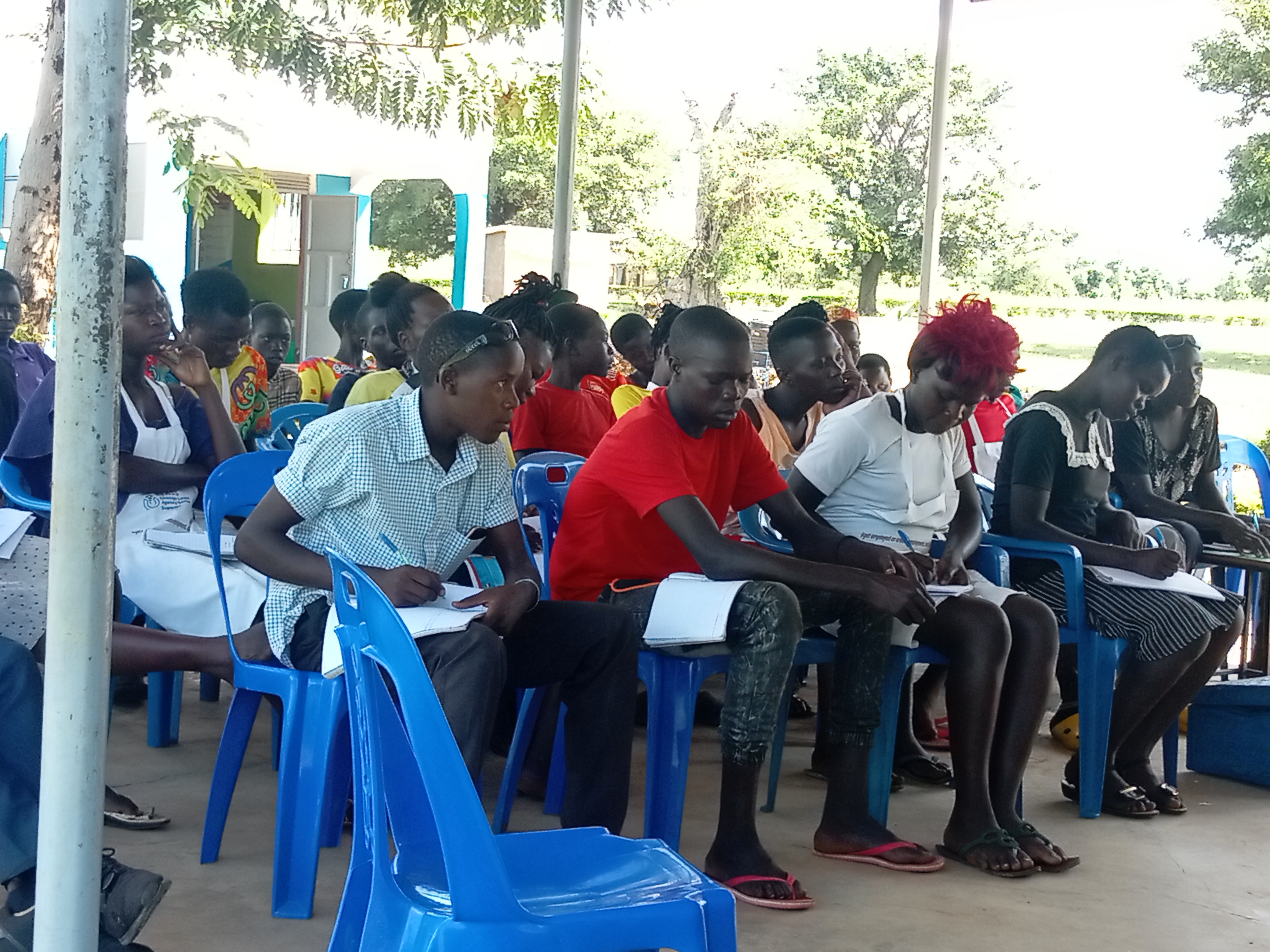
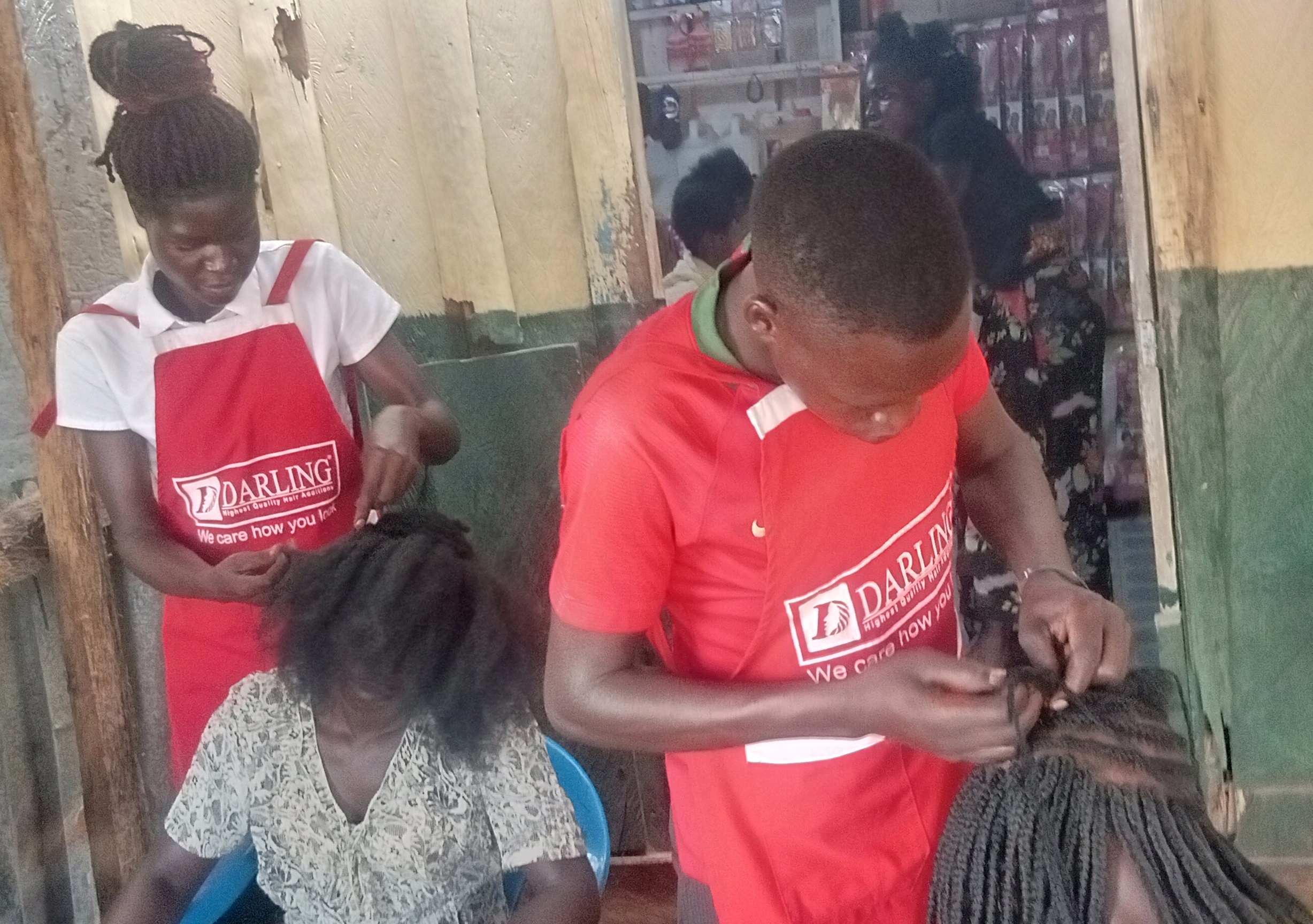
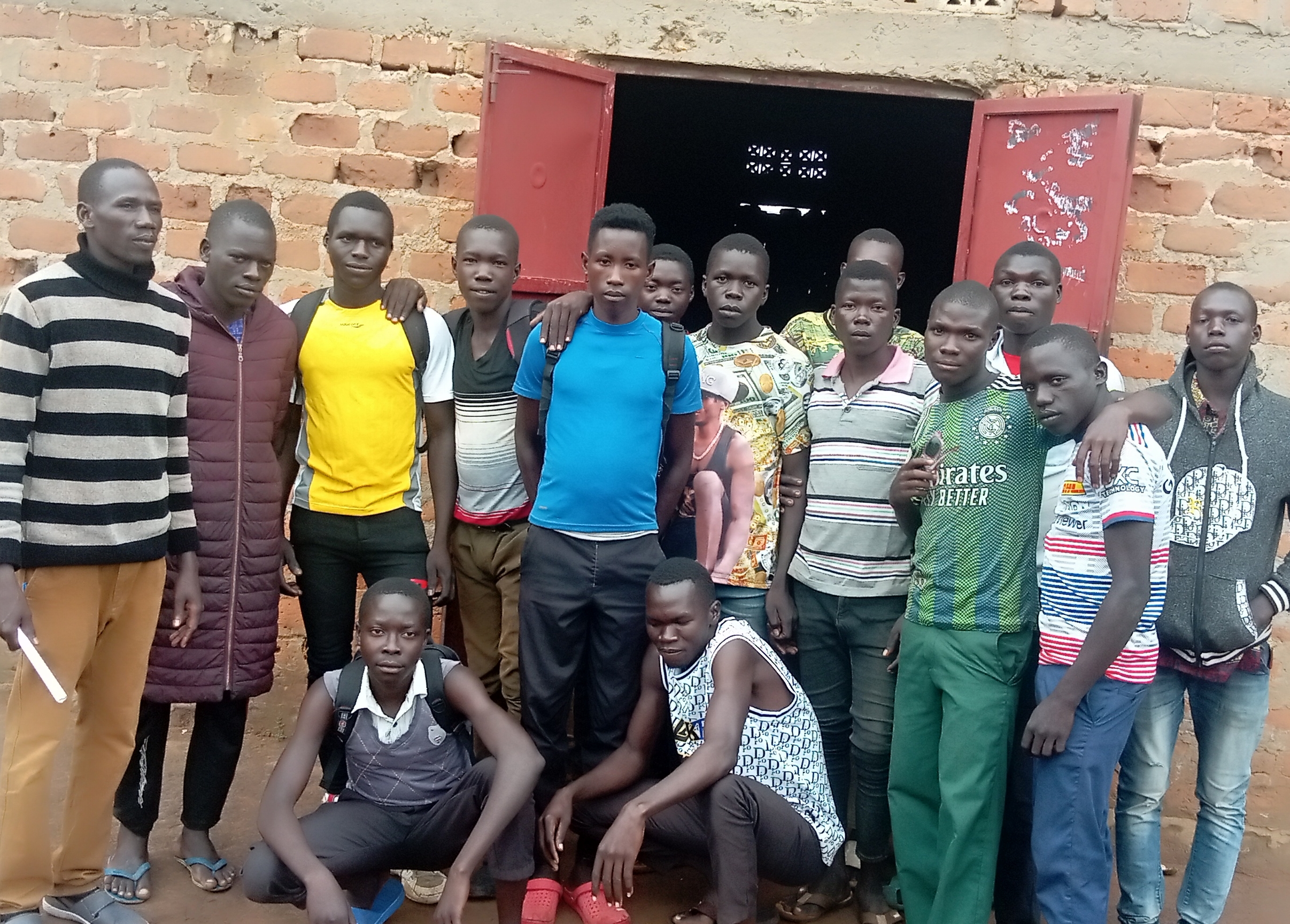
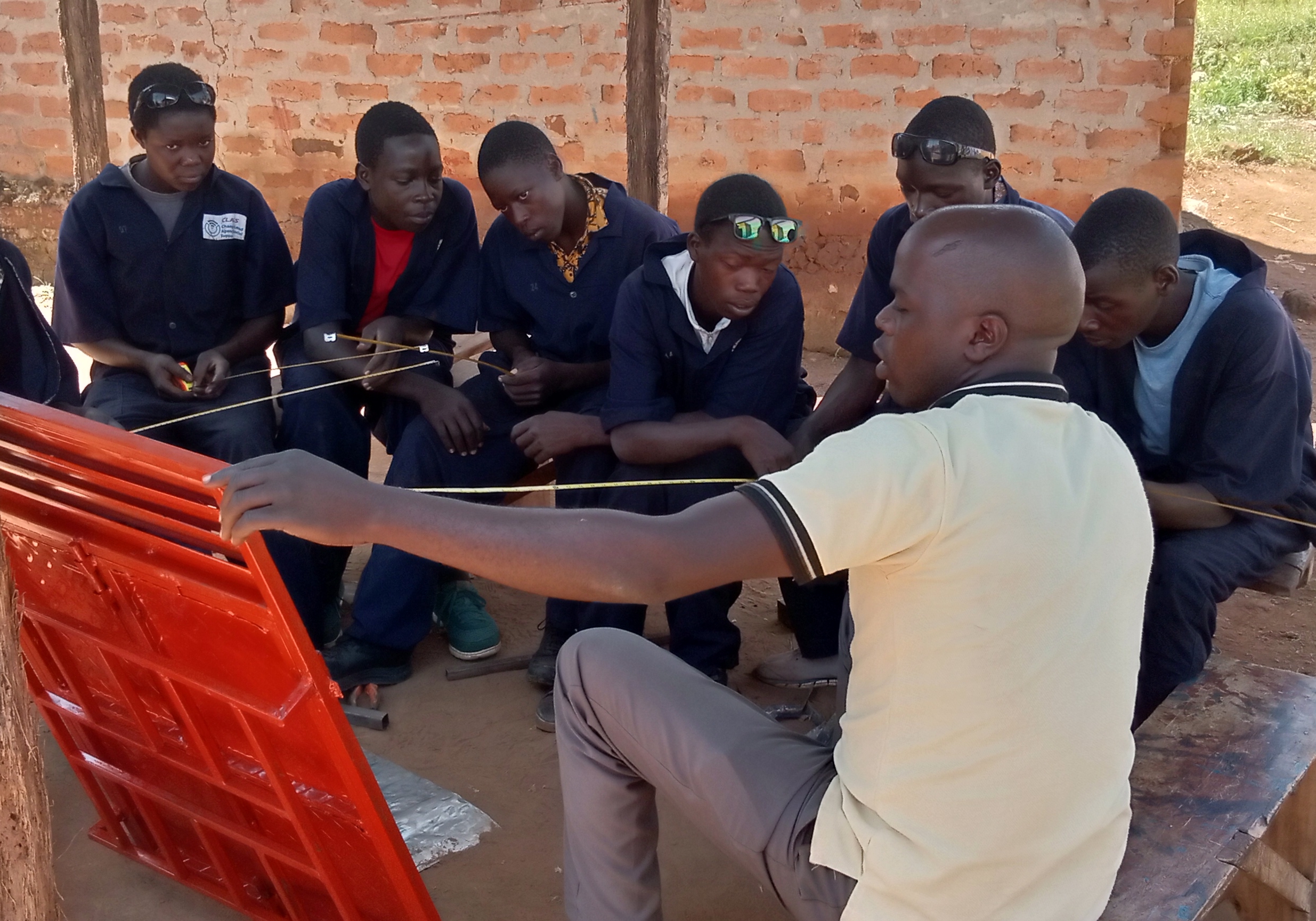
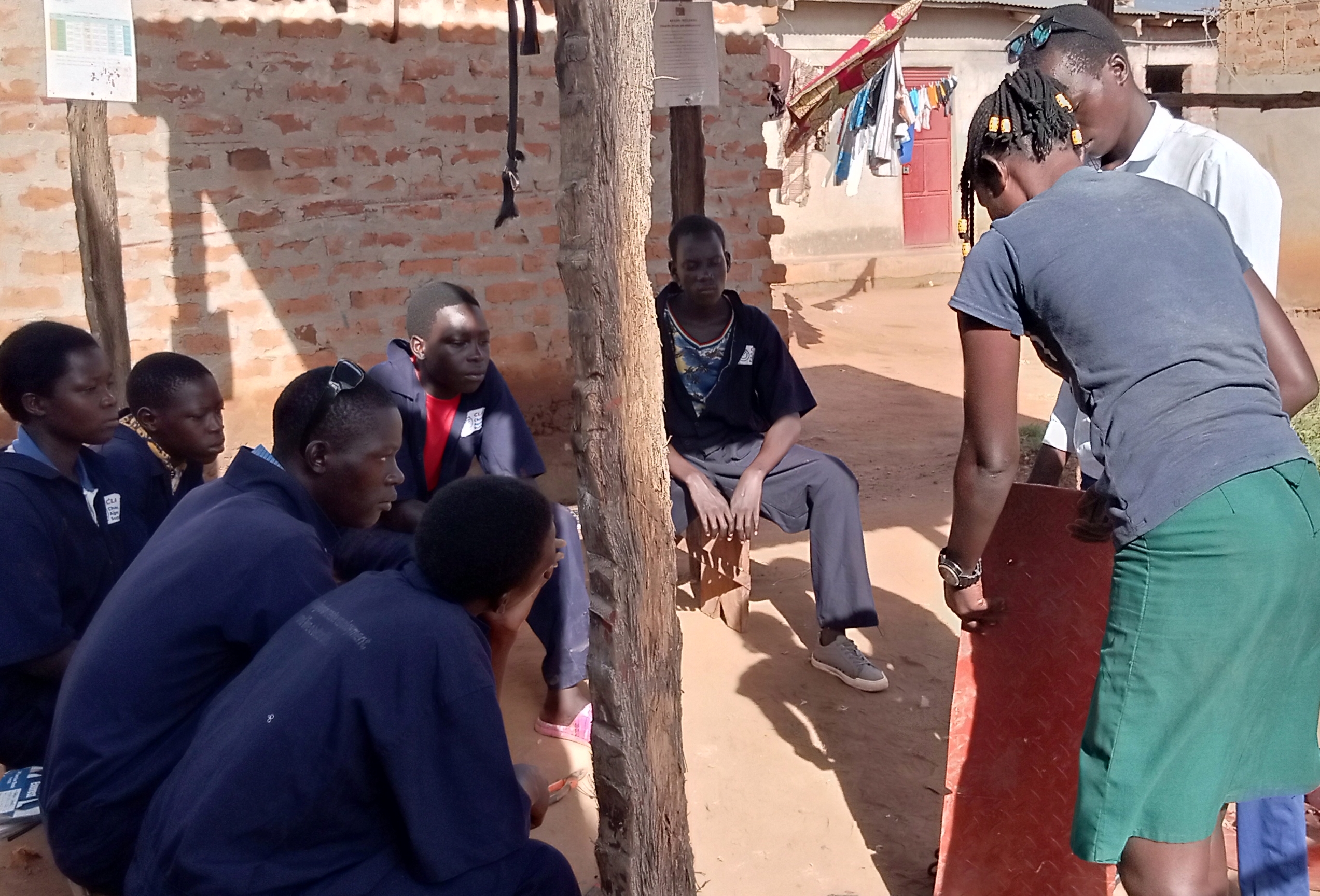
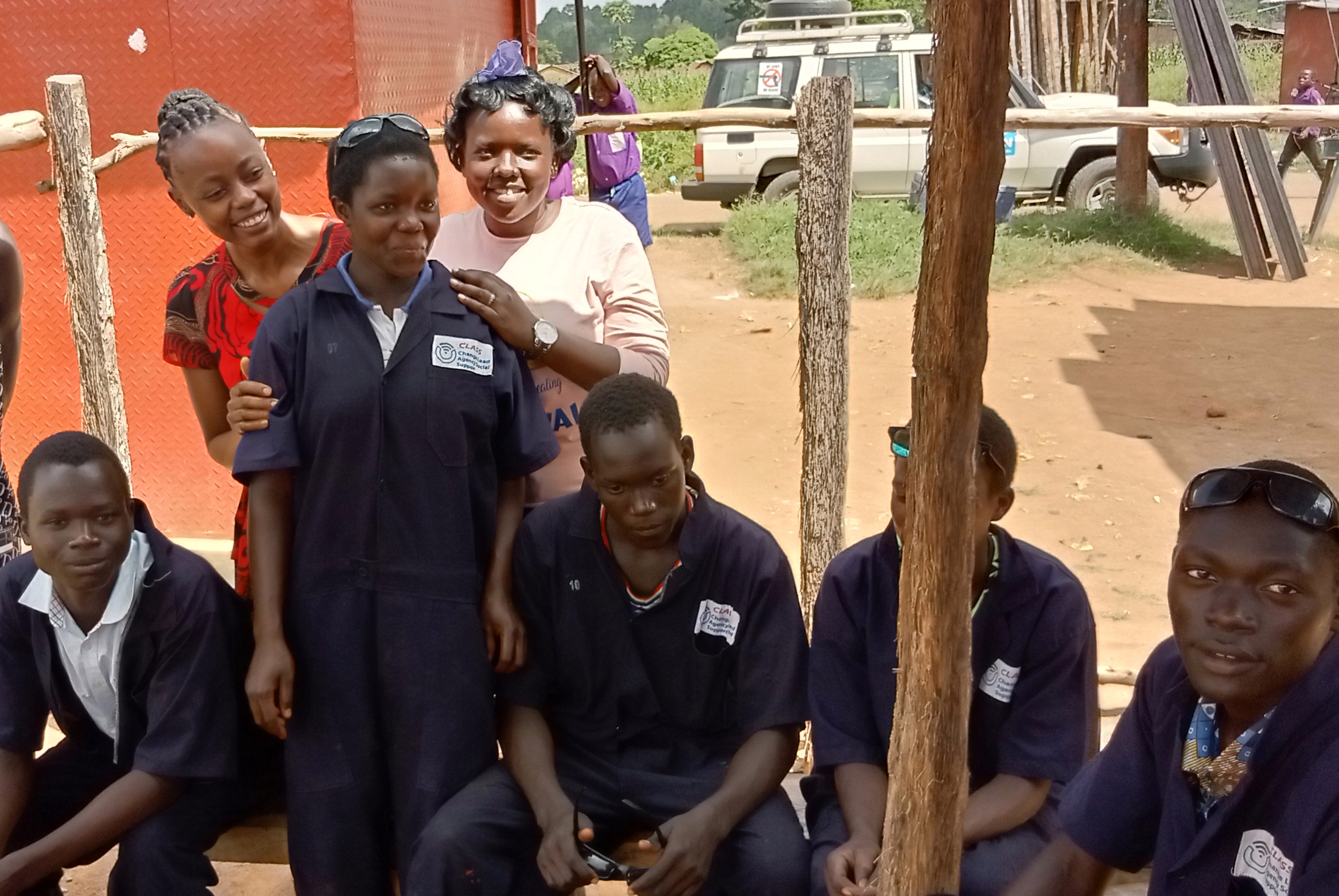
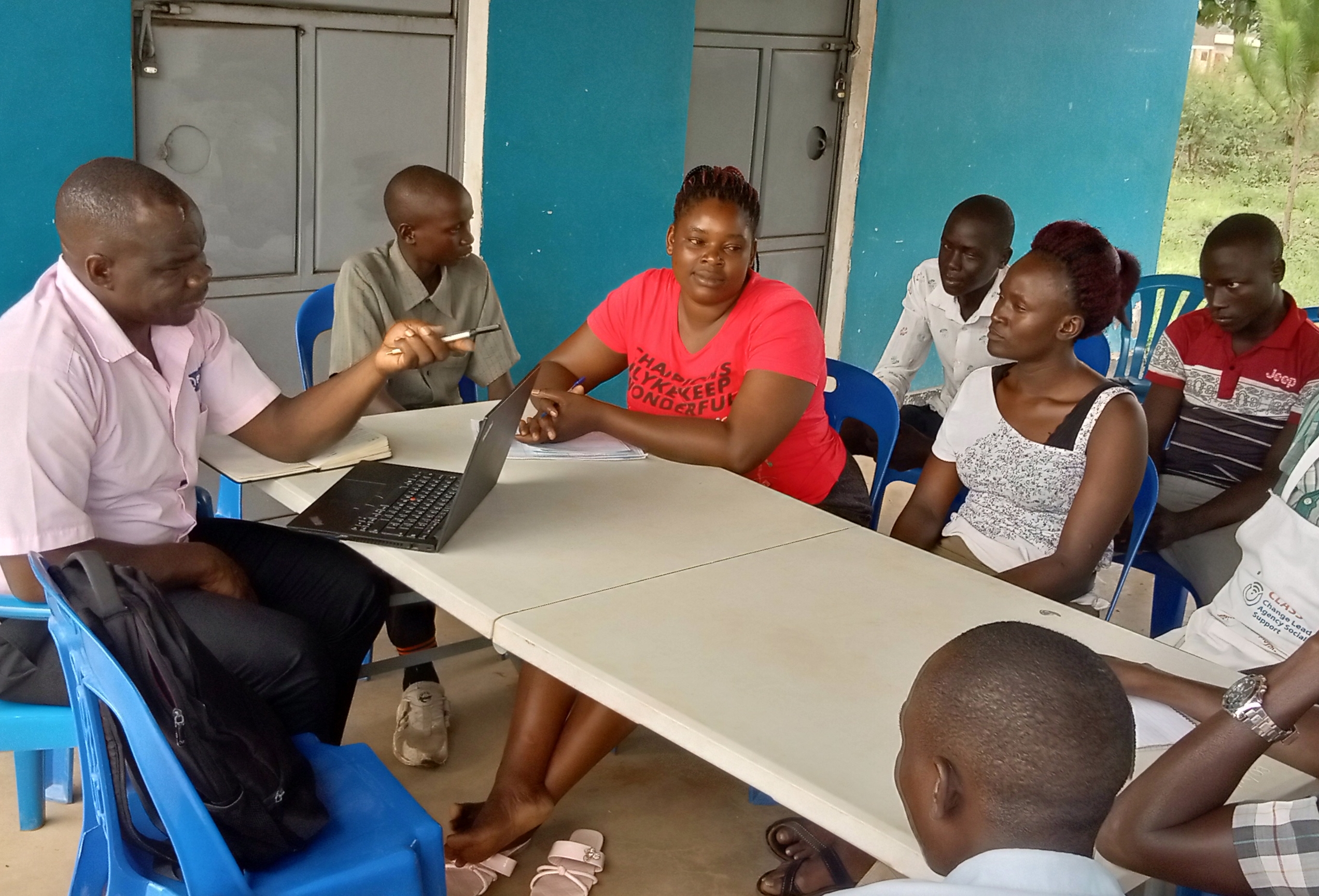
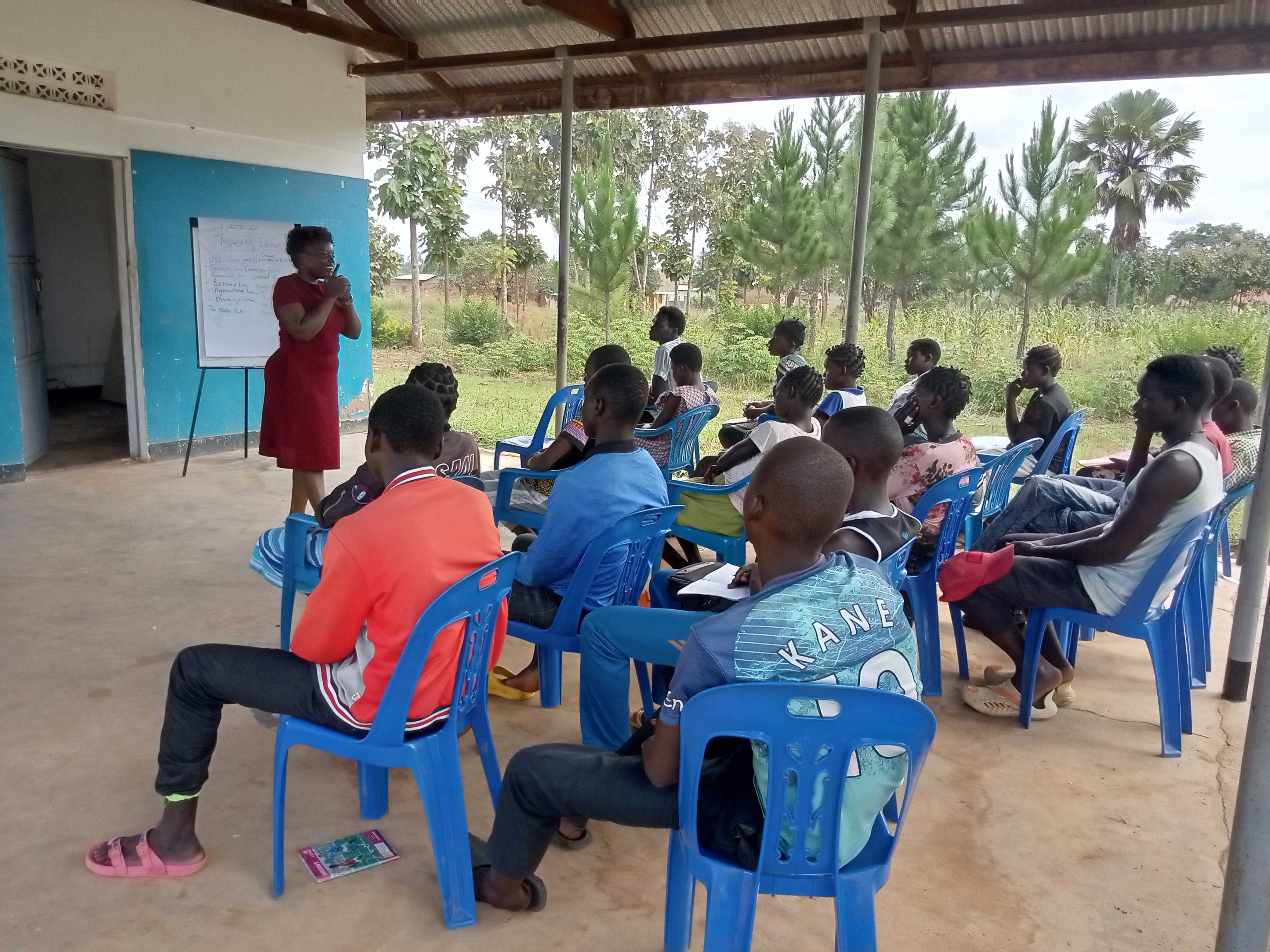
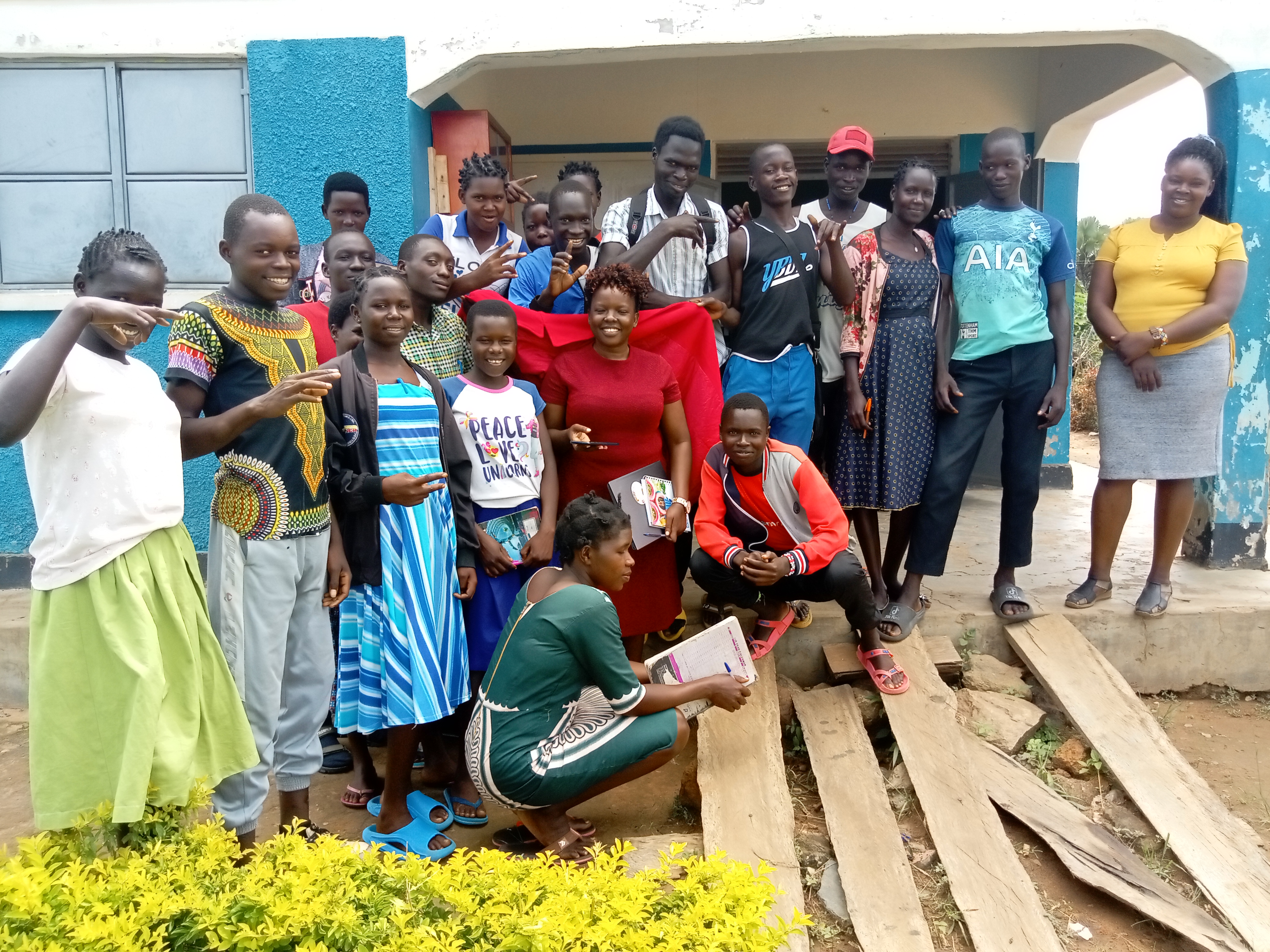
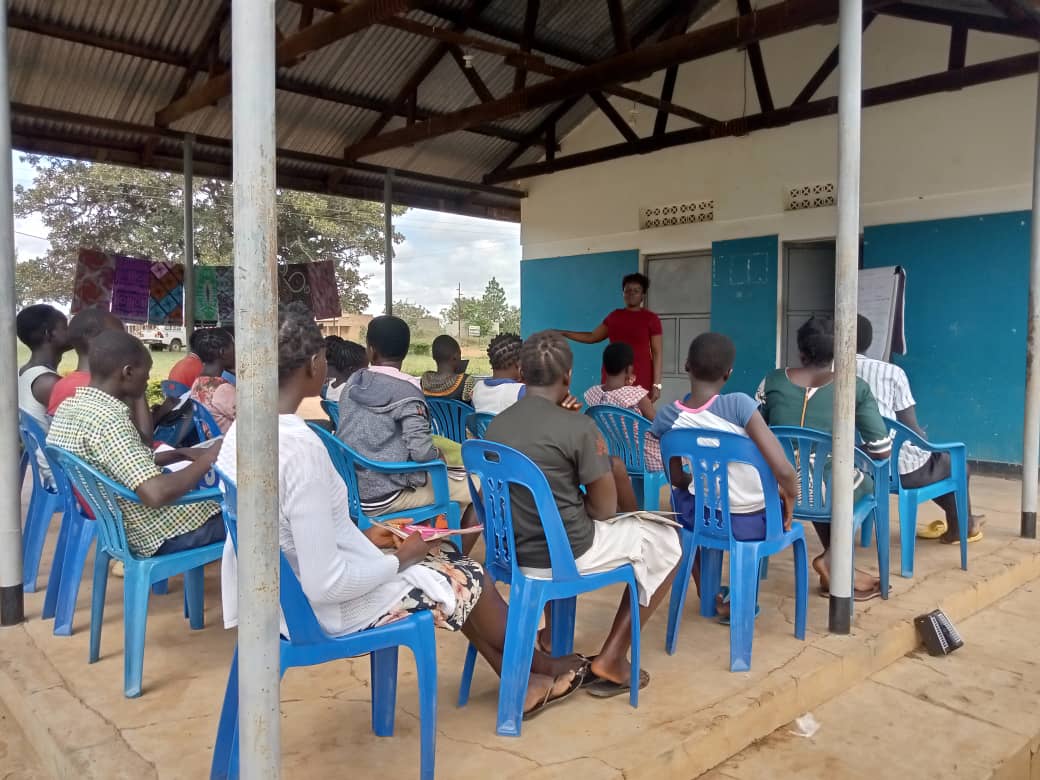
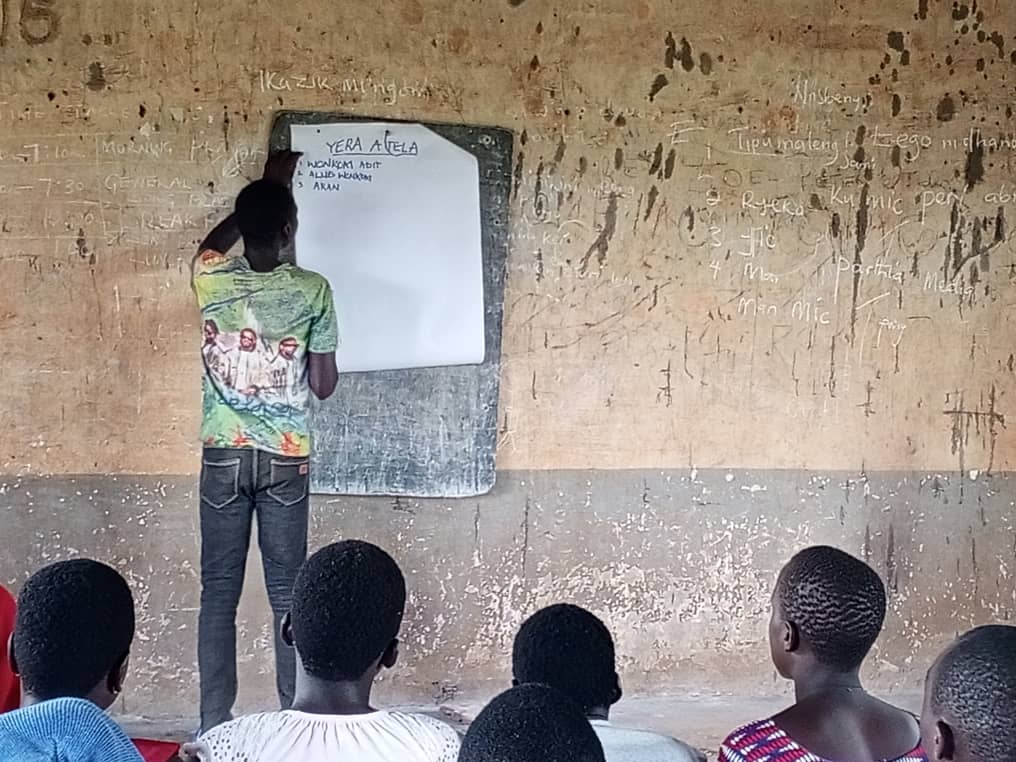
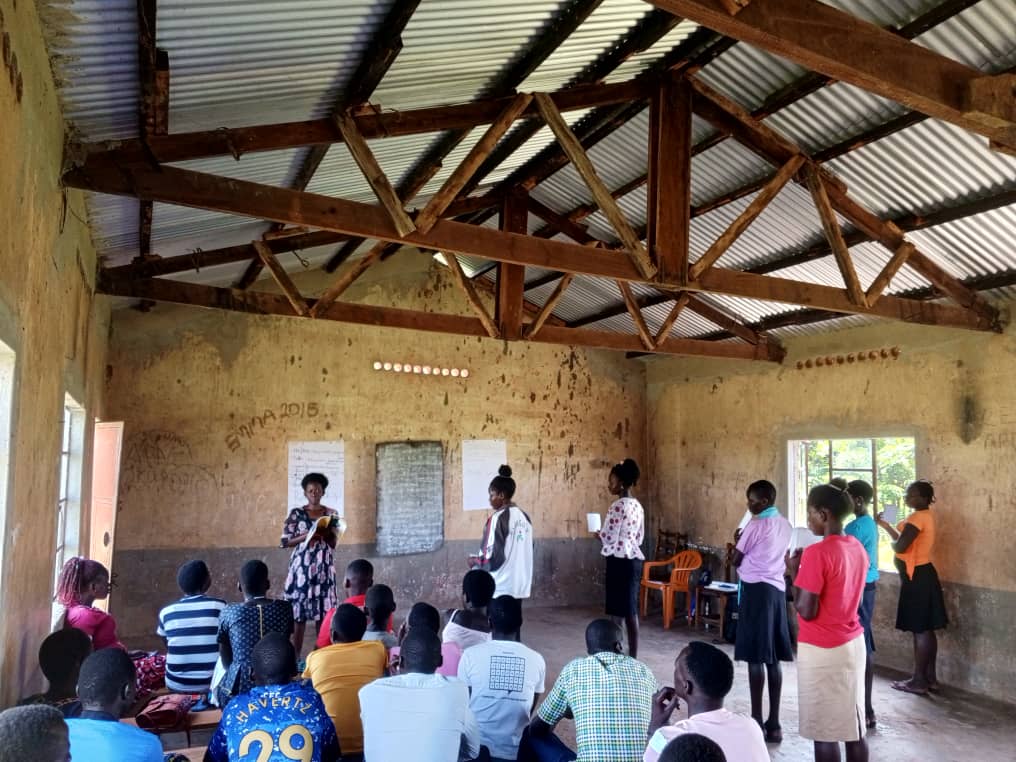
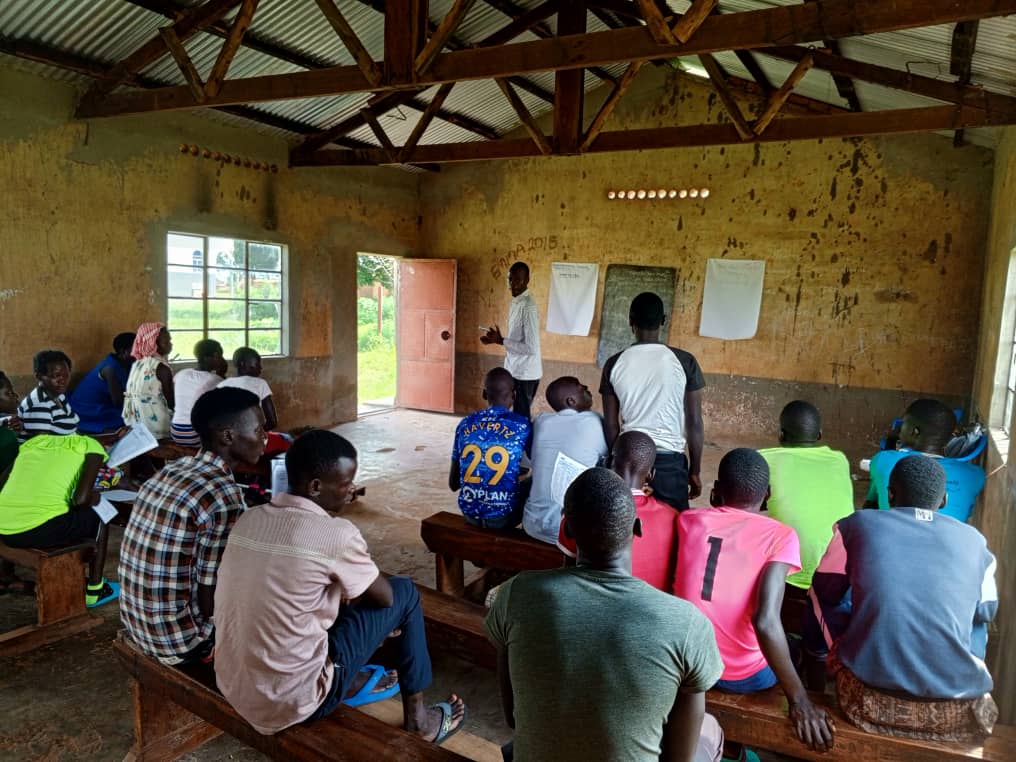
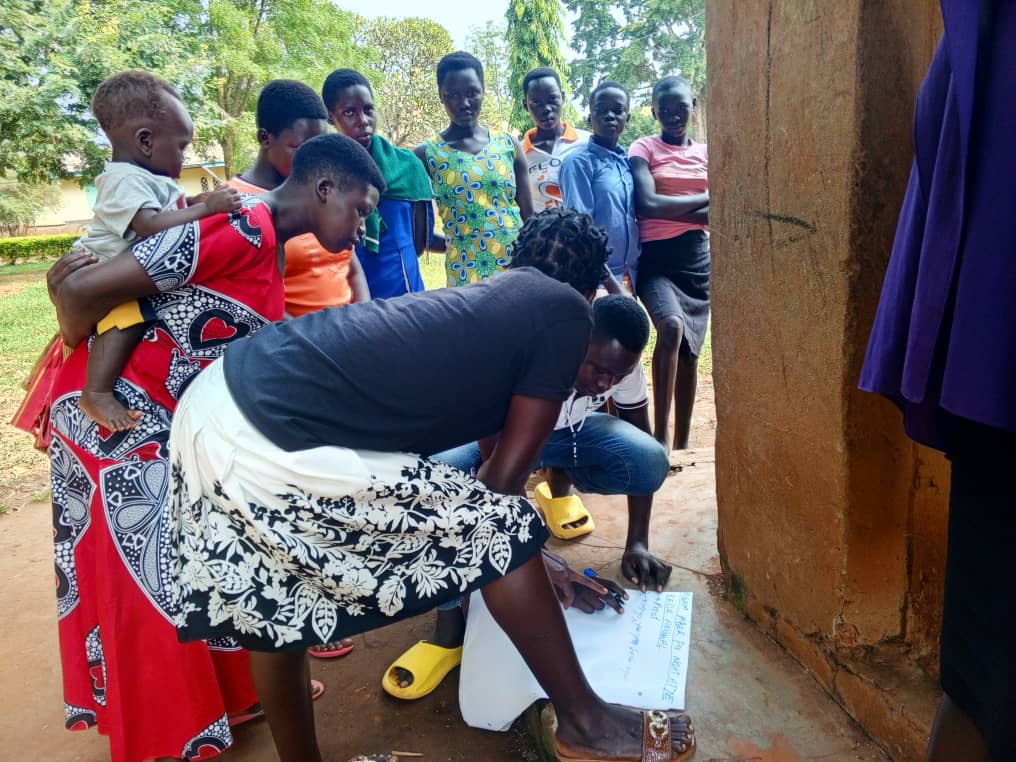
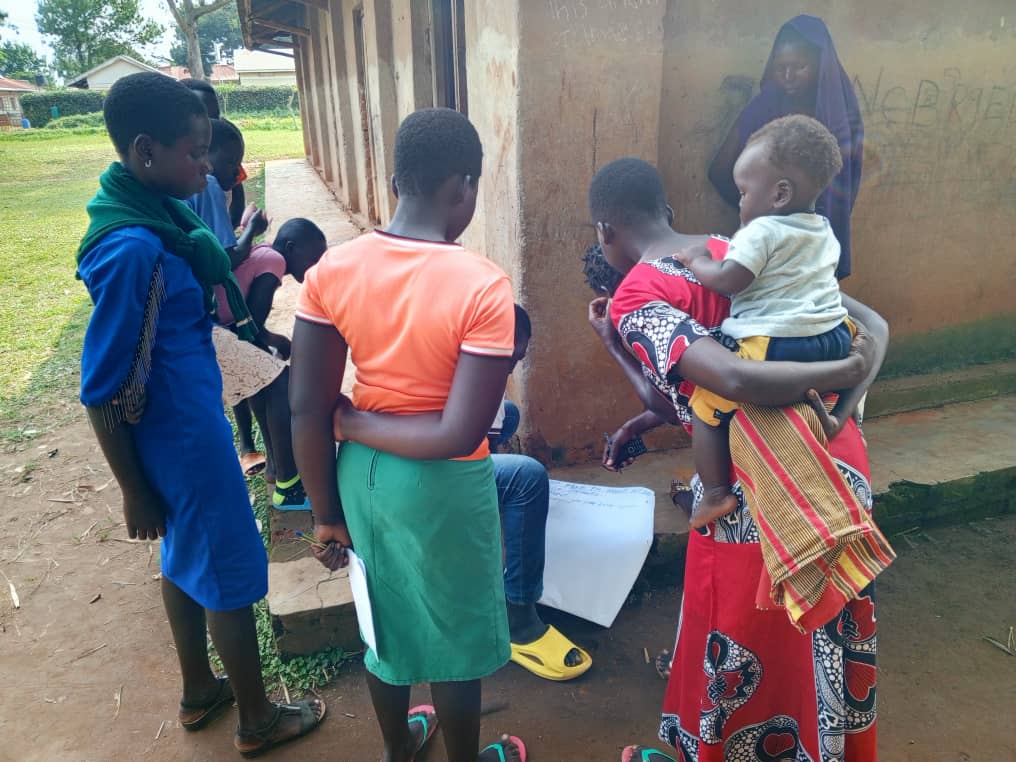
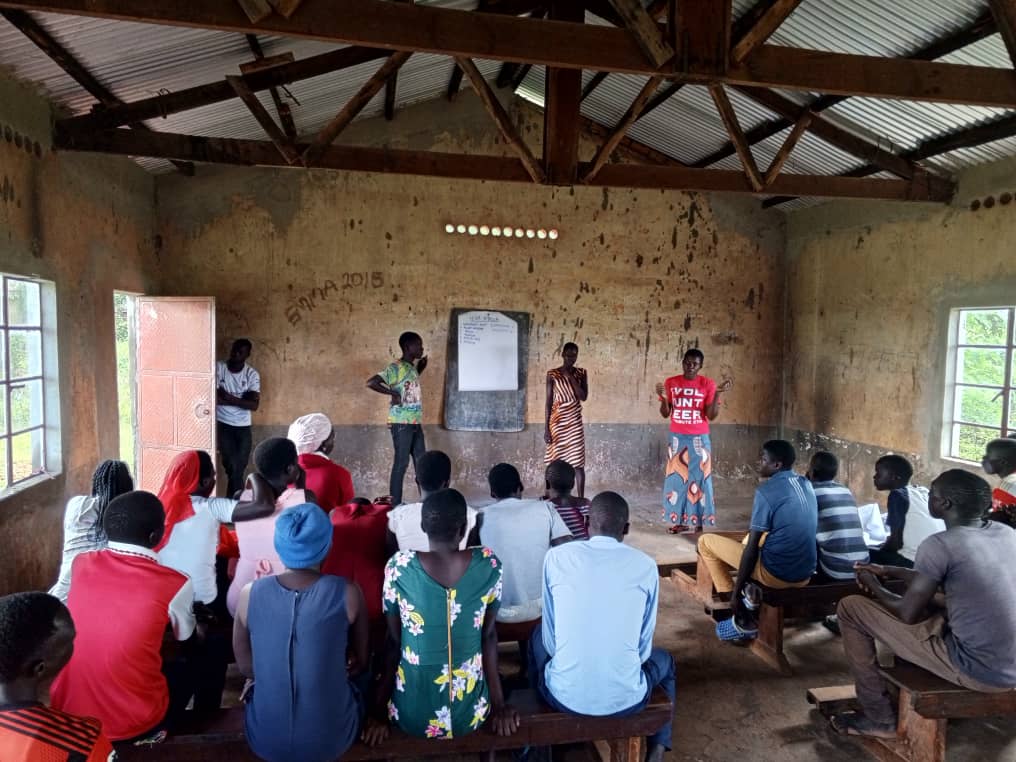
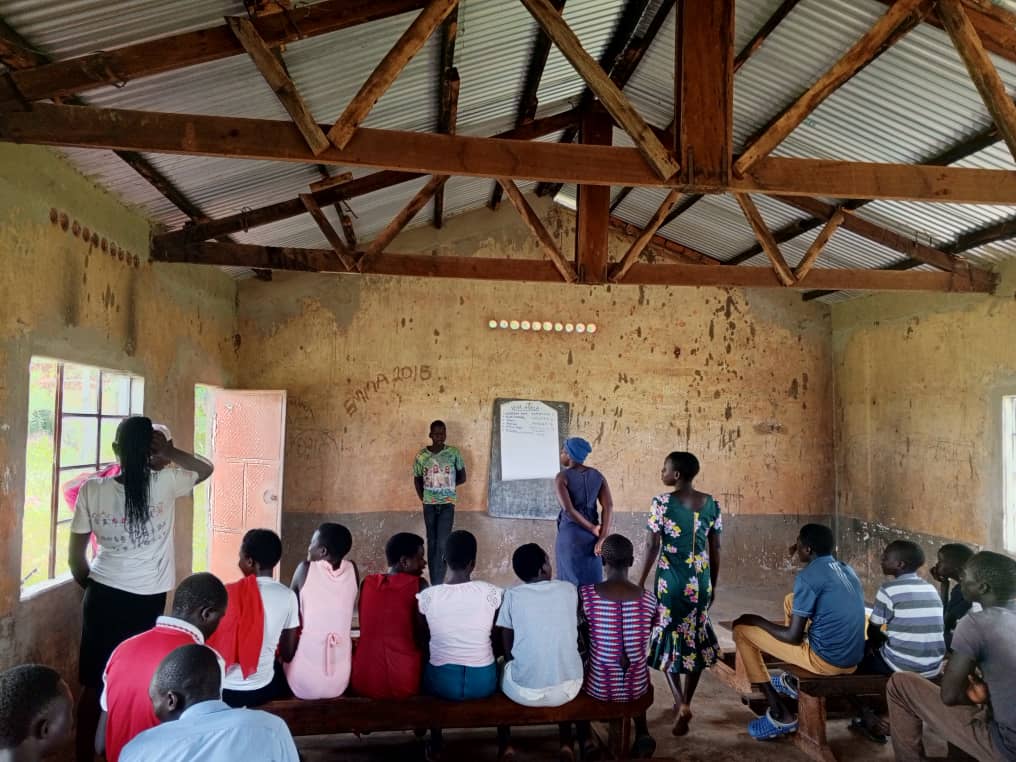
Innovation Hub
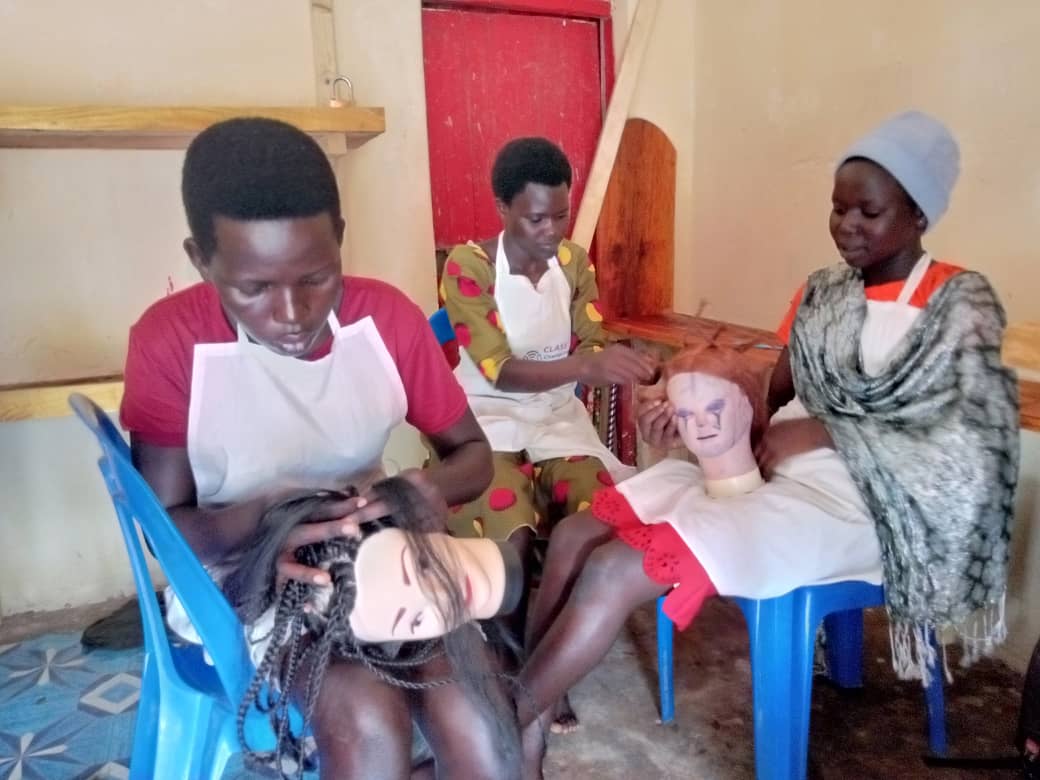
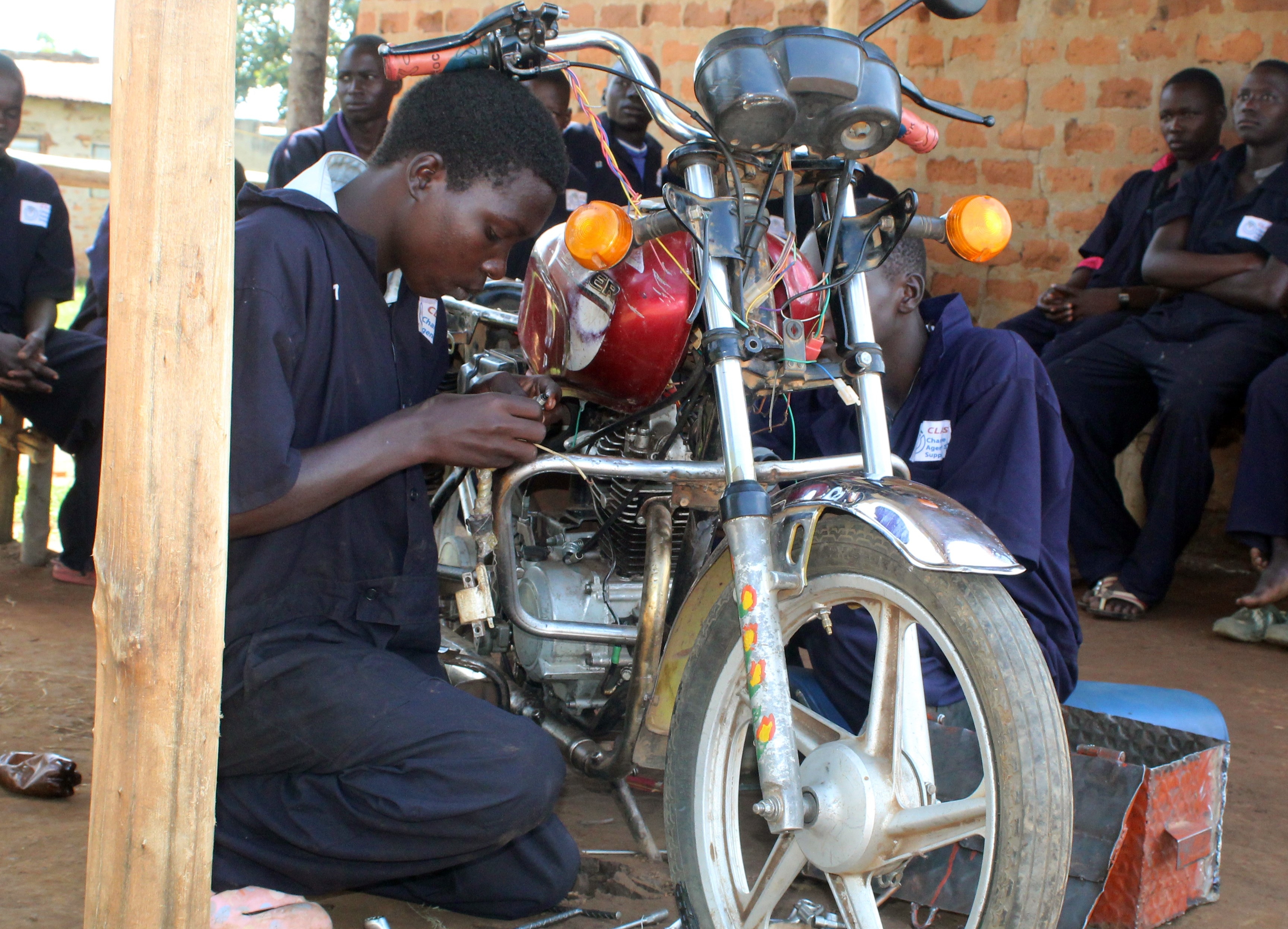
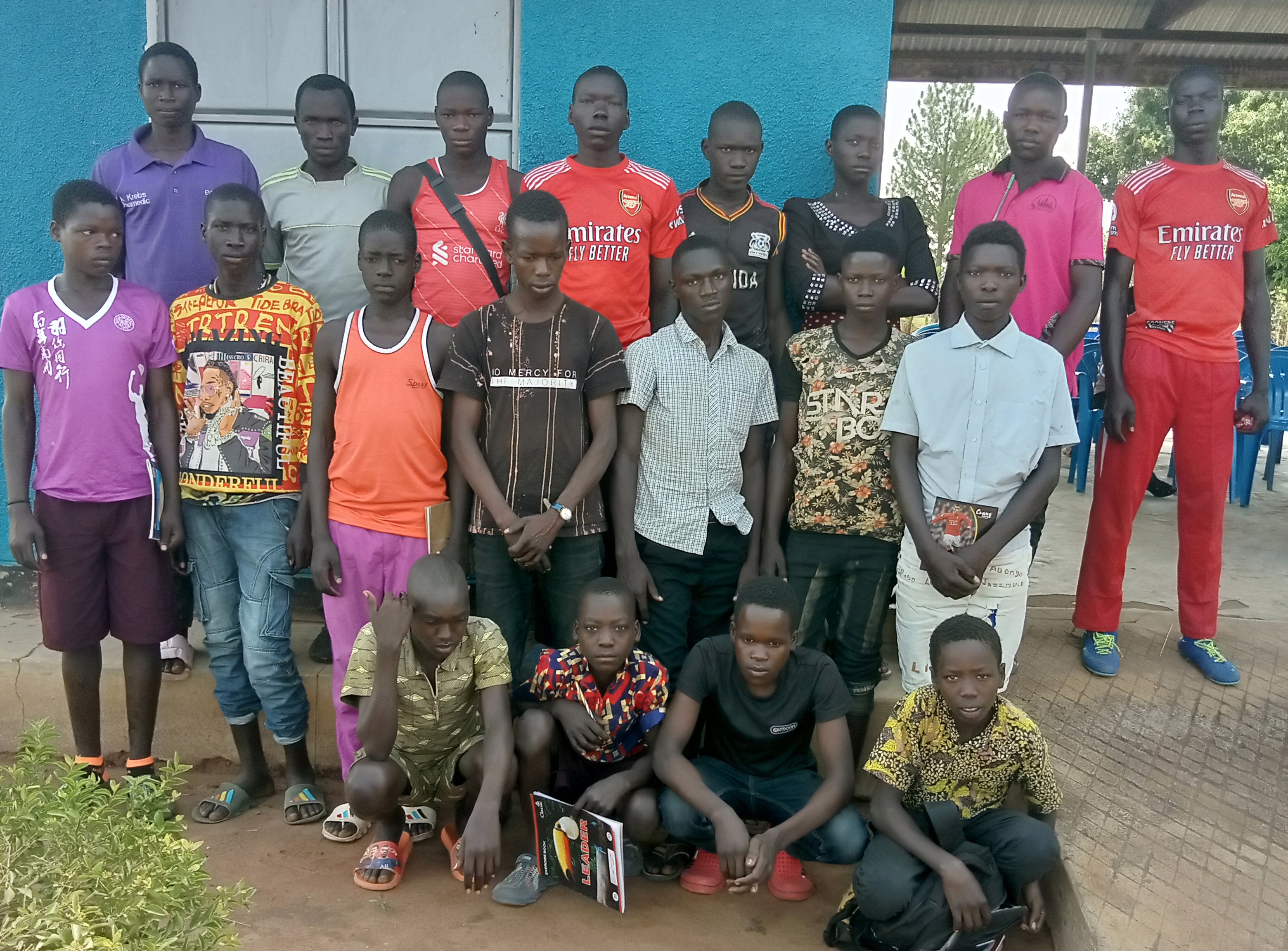
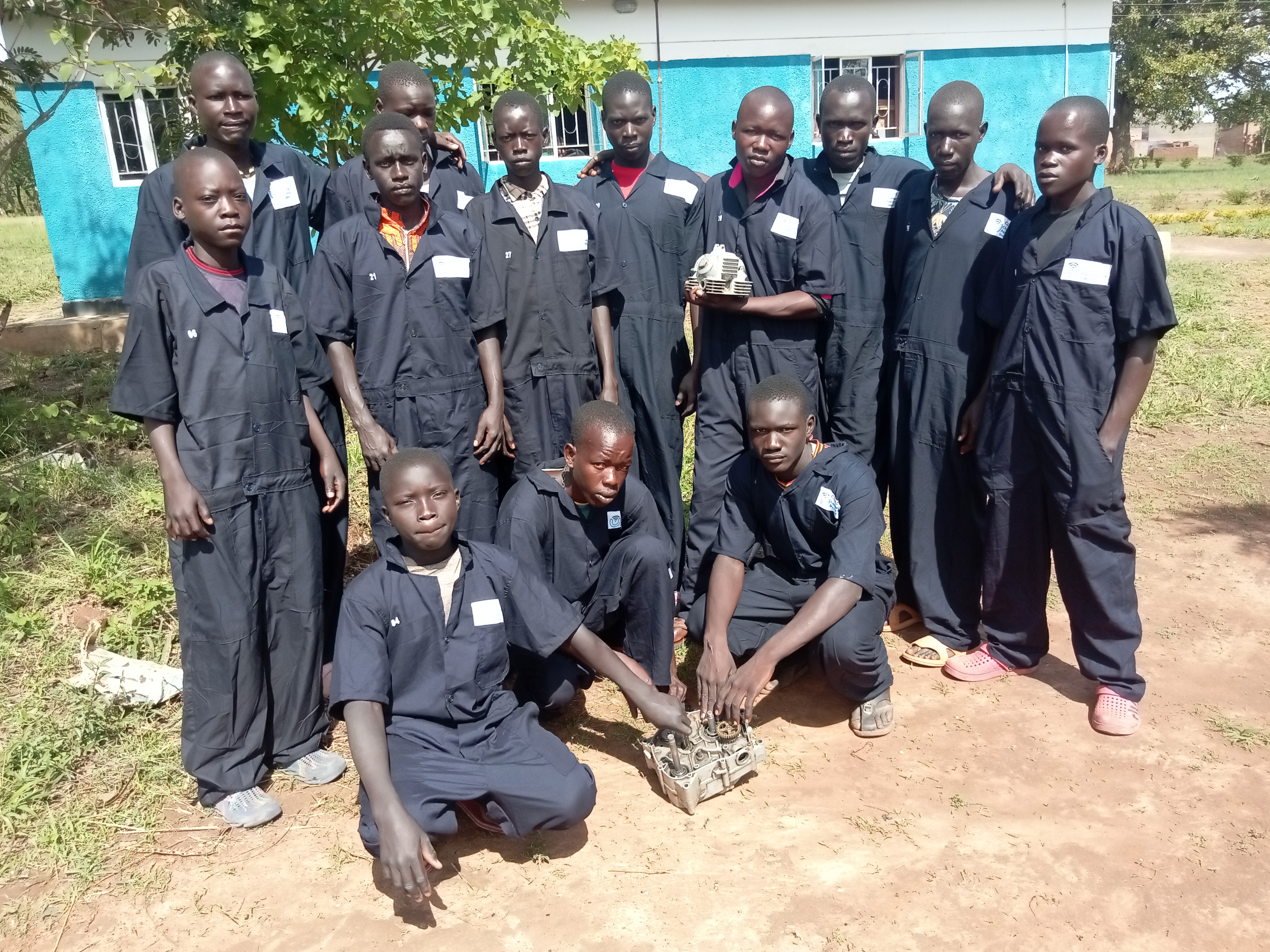
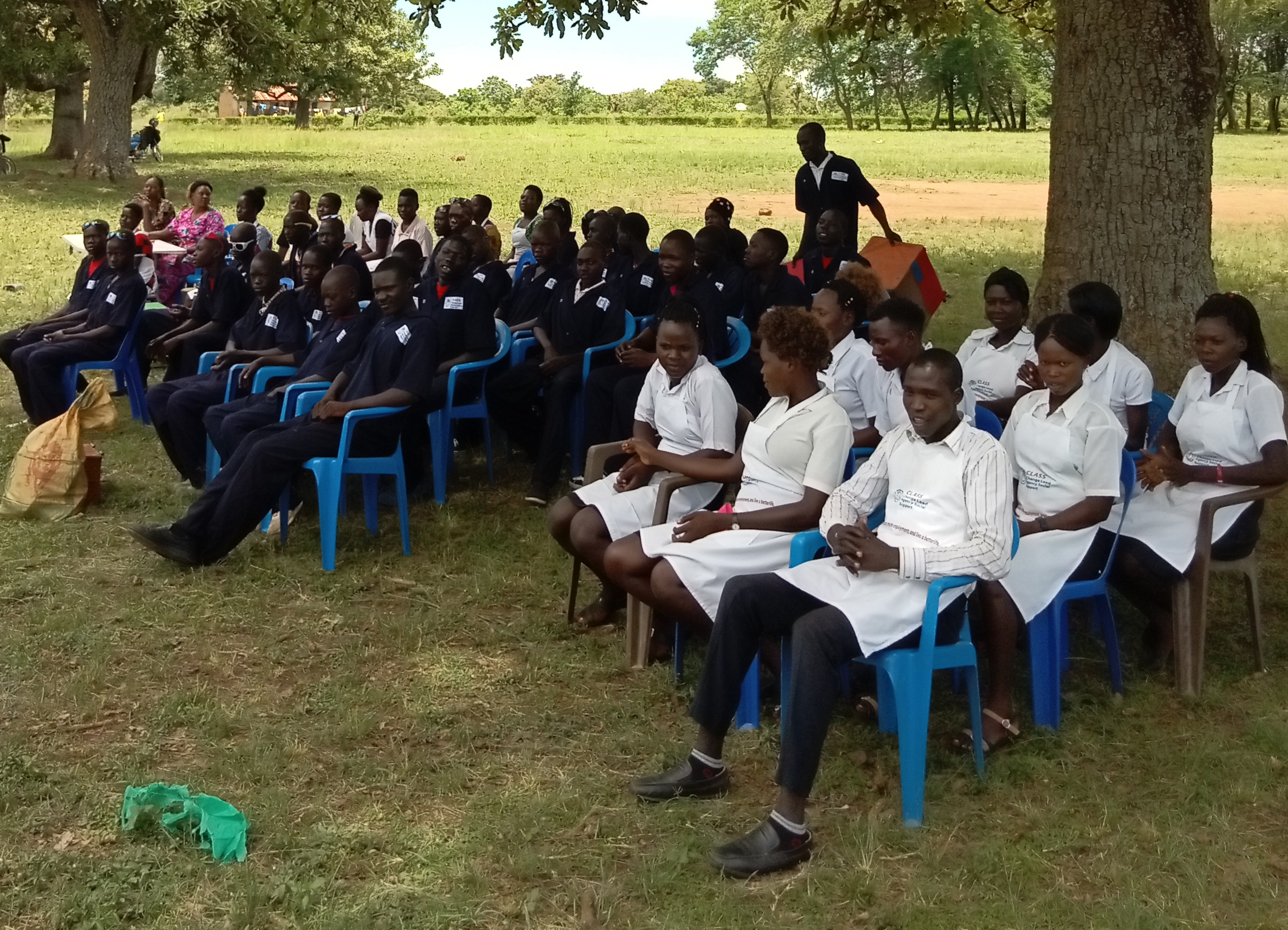
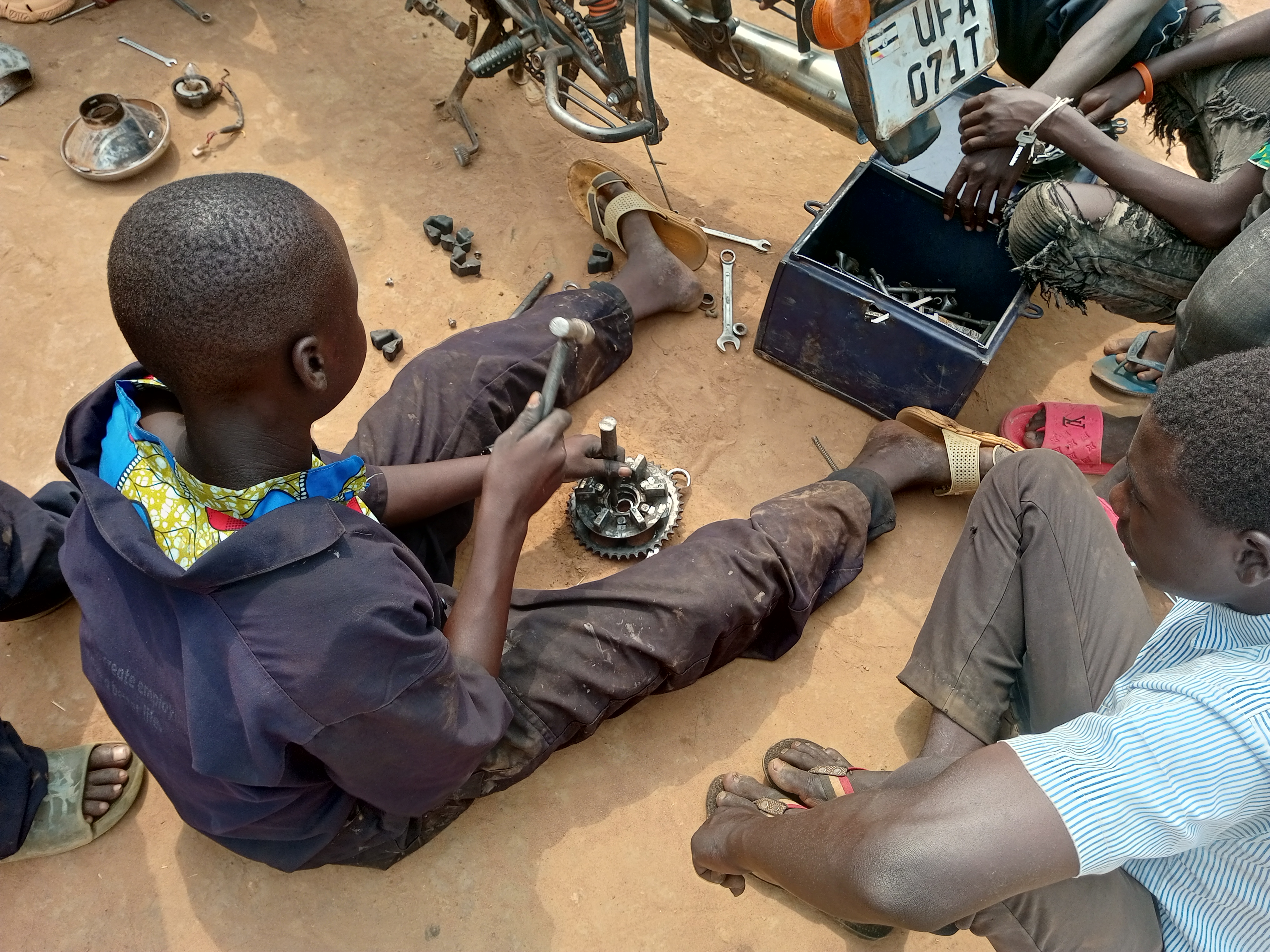
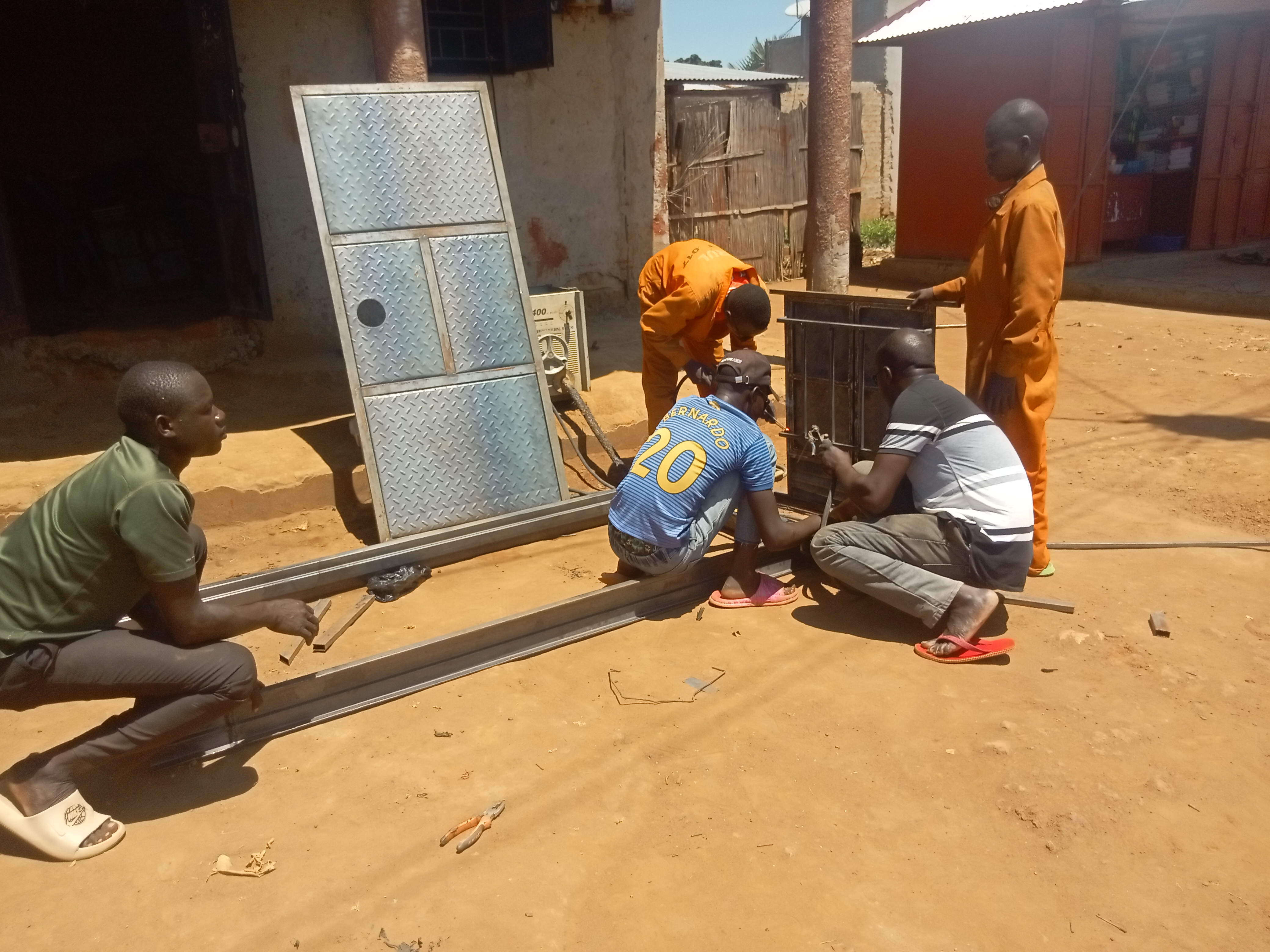
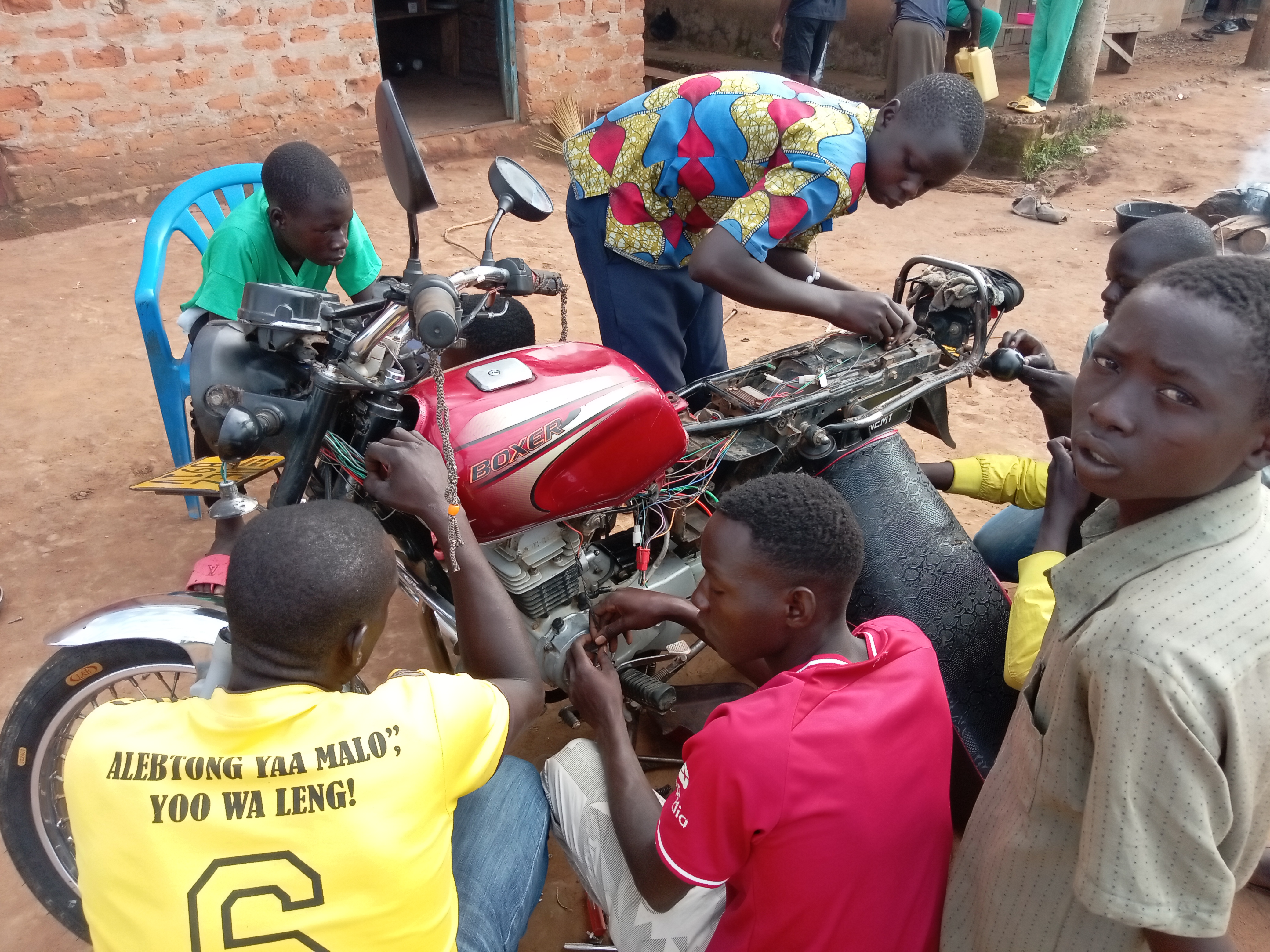
Innovation Hub is a safe space created for young people to build up their social skills and acquire
employability skills. The model mainly focused on youth empowerment through personal development.
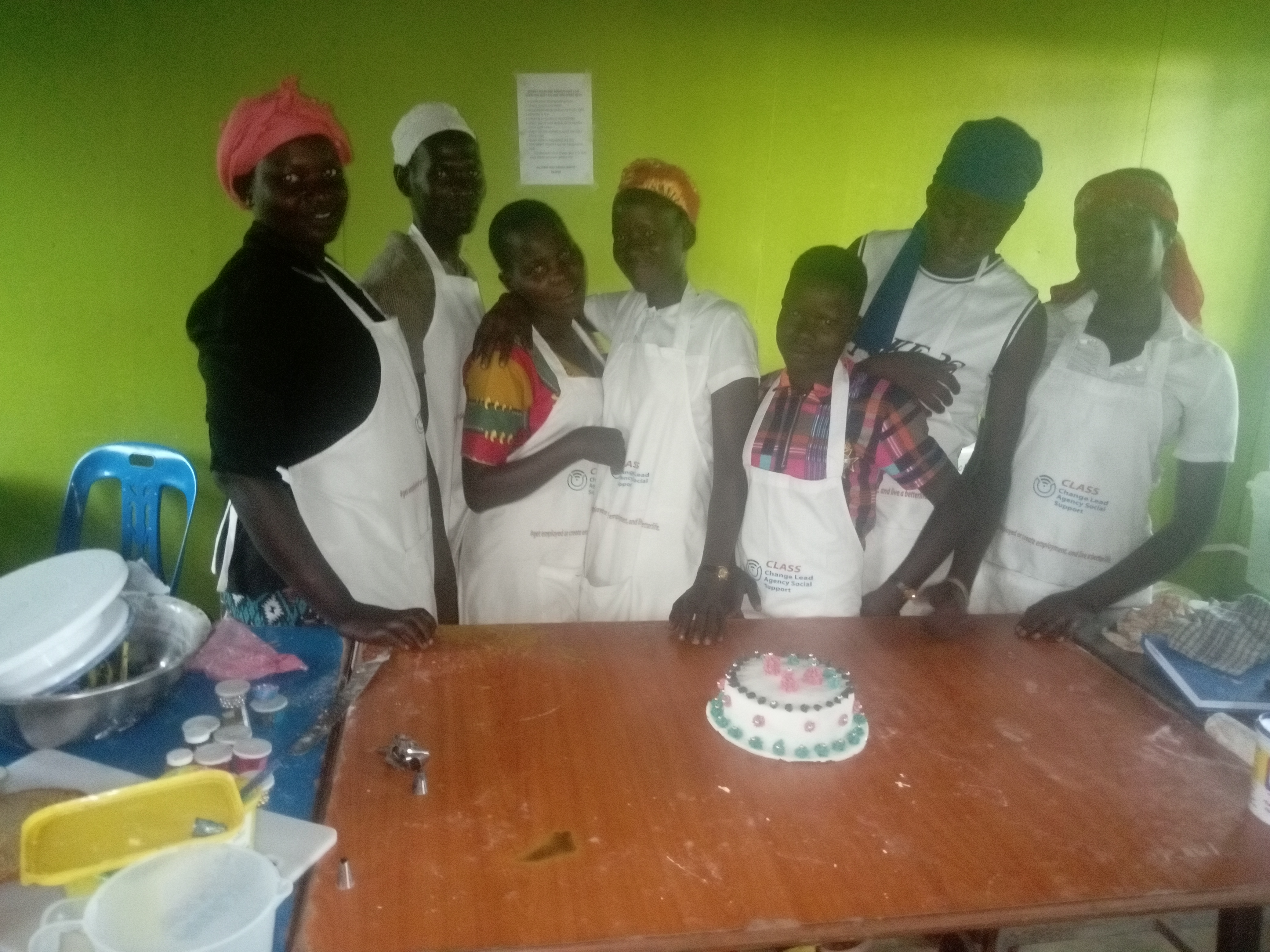
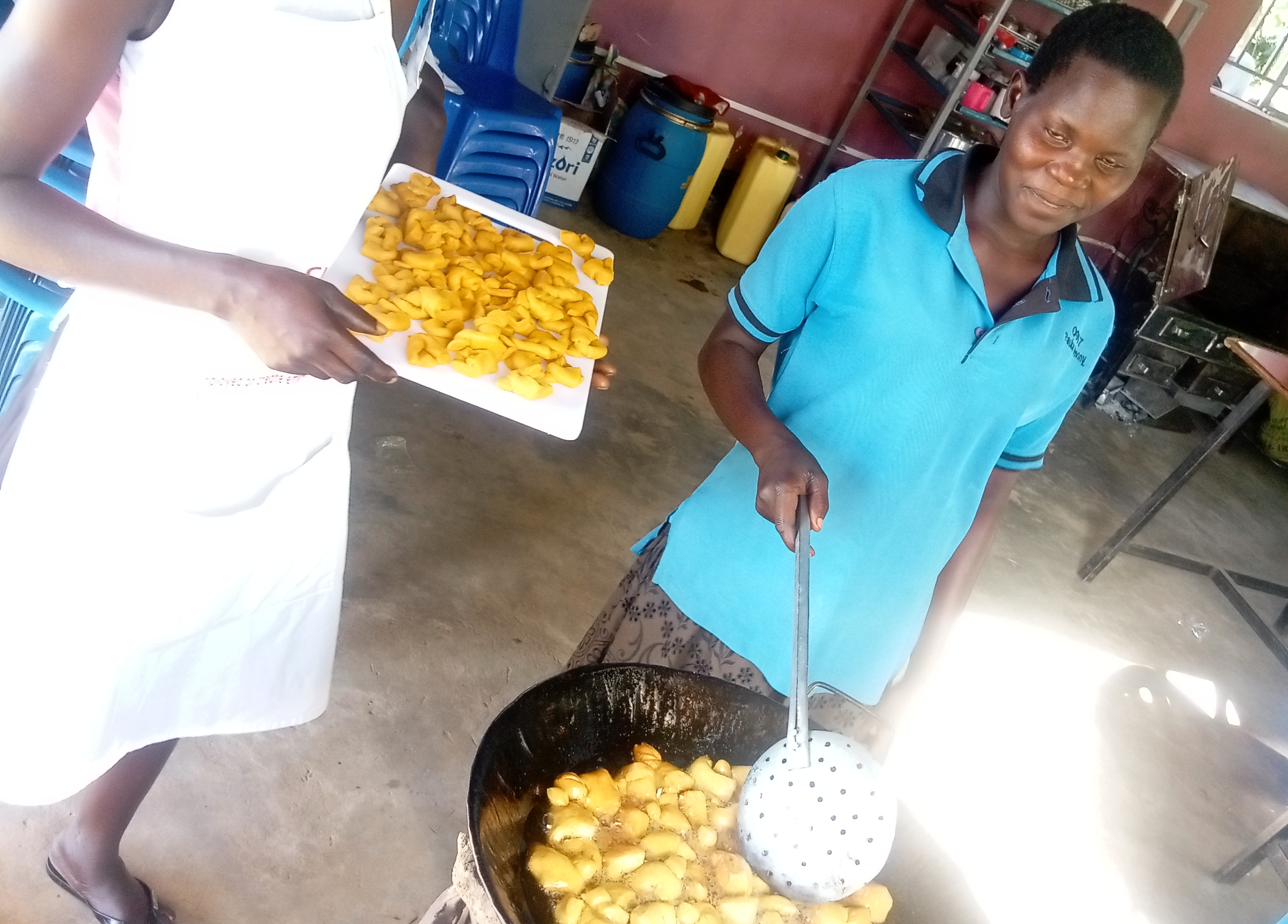
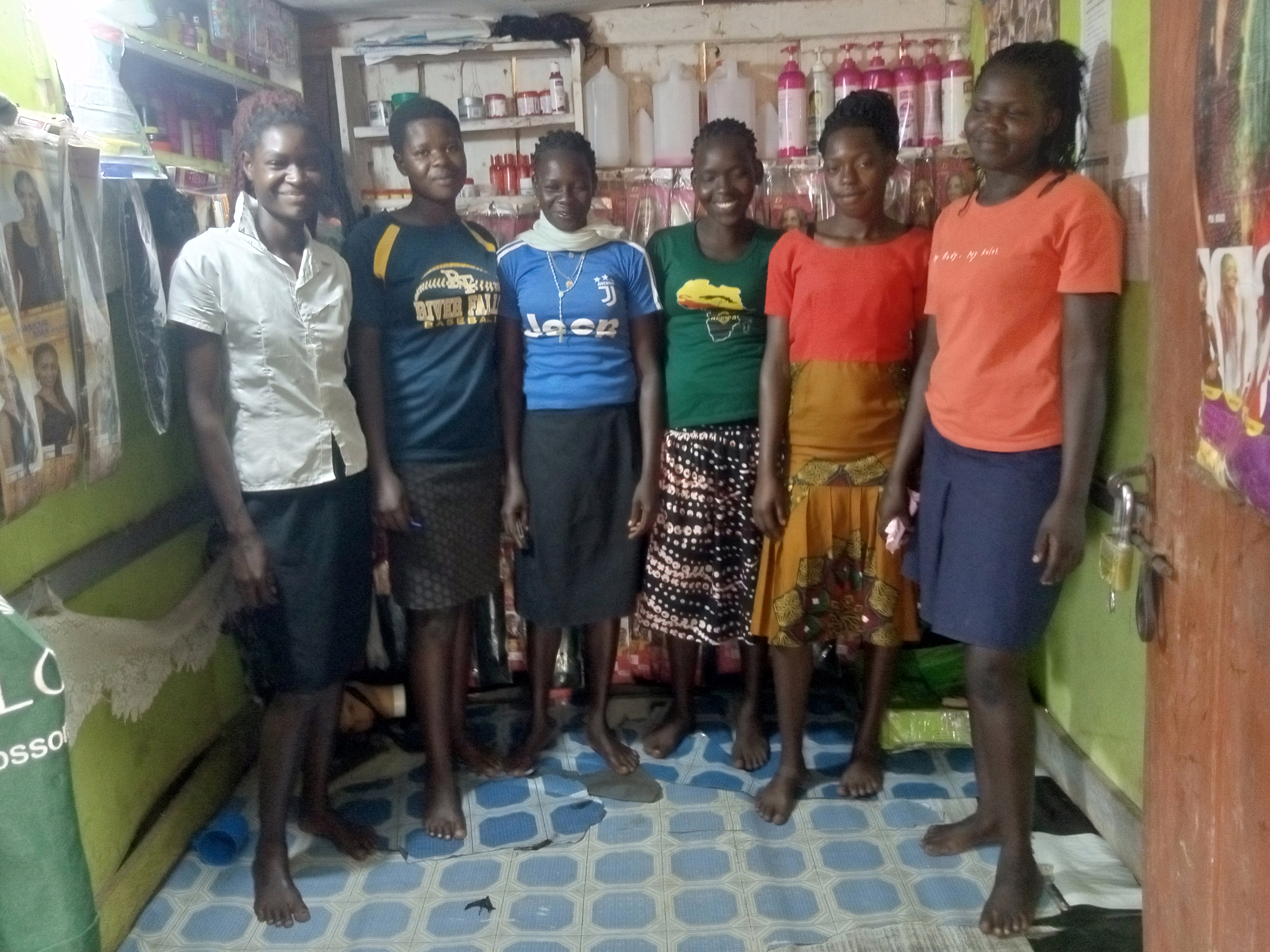
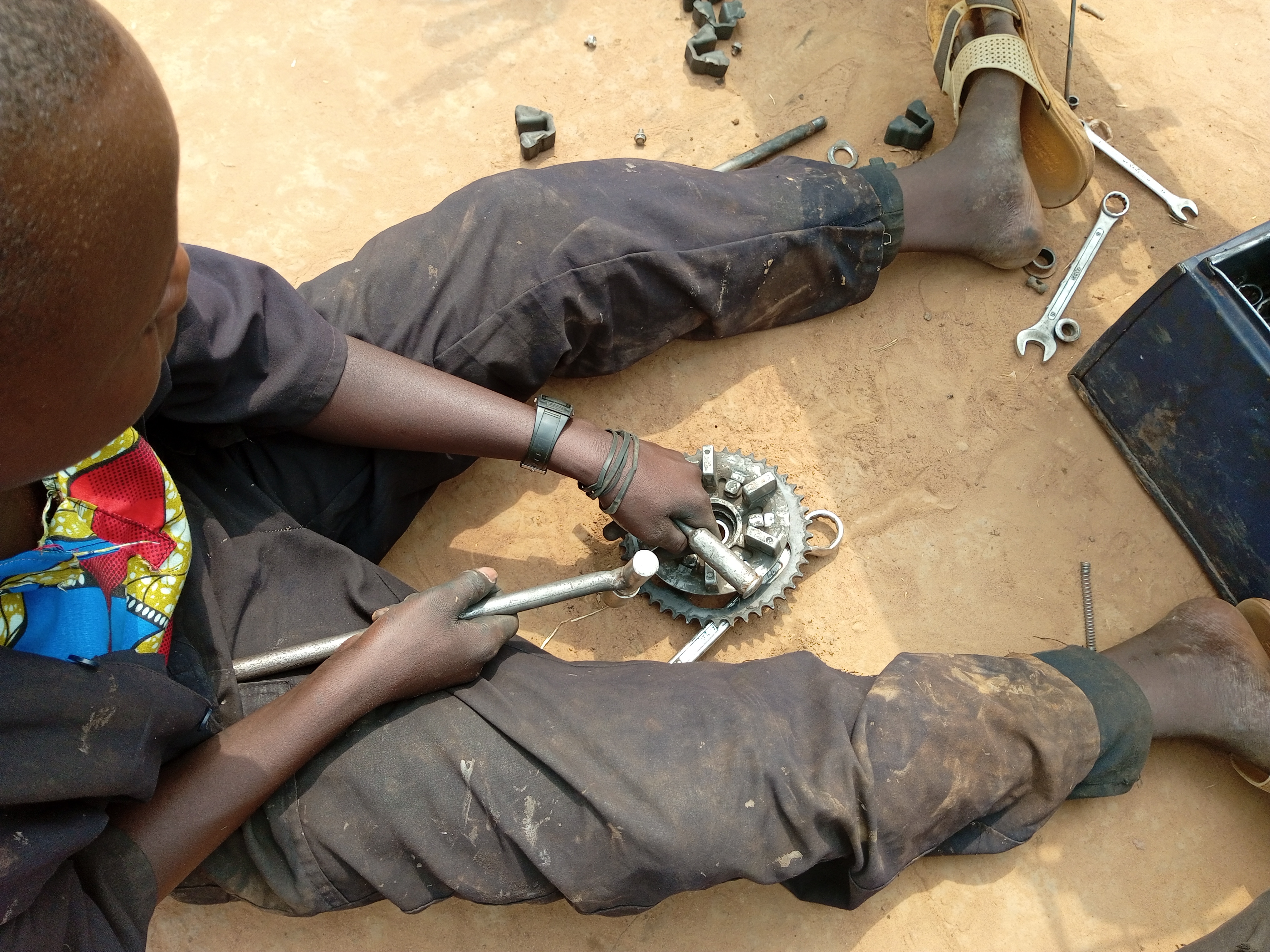
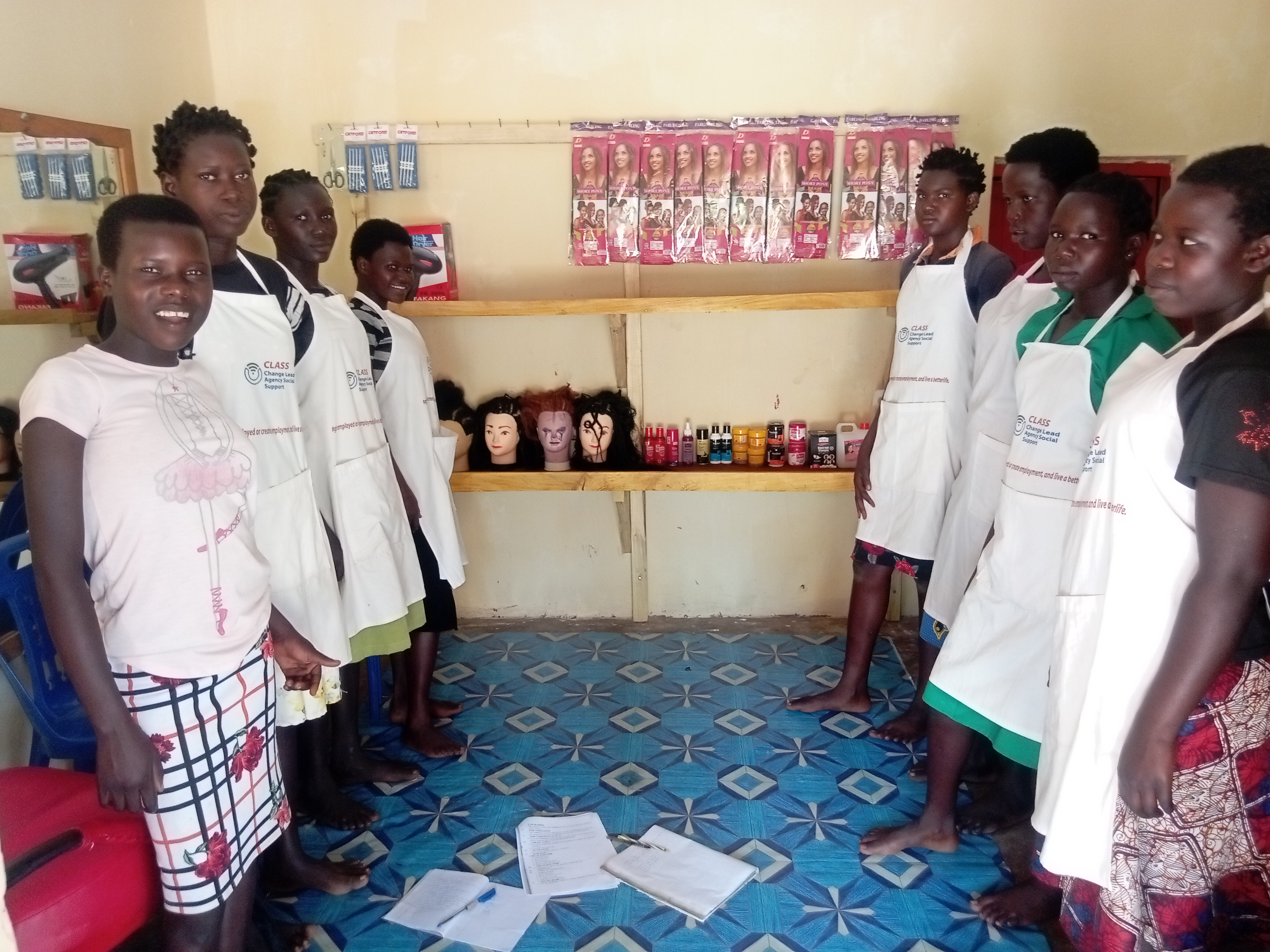
The Hub hinges on developing young people in Life skills, SRHR knowledge, employability skills and
enterprise development (livelihood) skills with the goal of putting the youth in the driving seat of
their
lives to create solution for their problems. With the knowledge and skills gained at the hub, Children
Adolescents and youth will be able to either get employed or create employment, and live a better
life.
The Hub provides safe space for innovation, creativity and social interaction for the Children
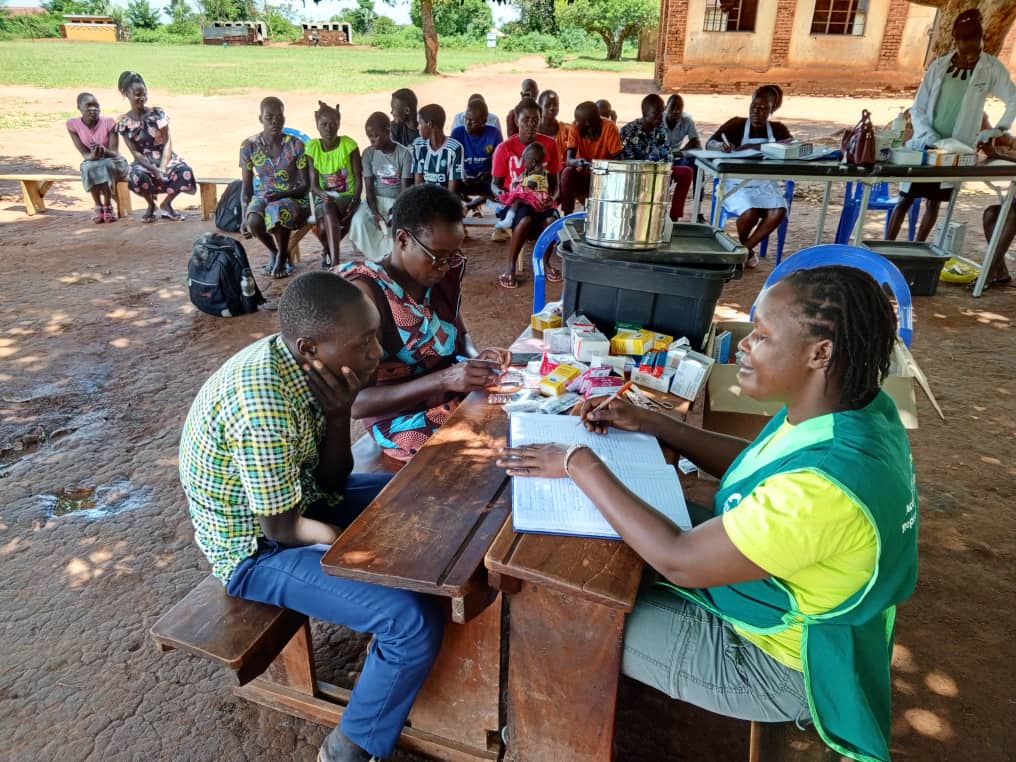
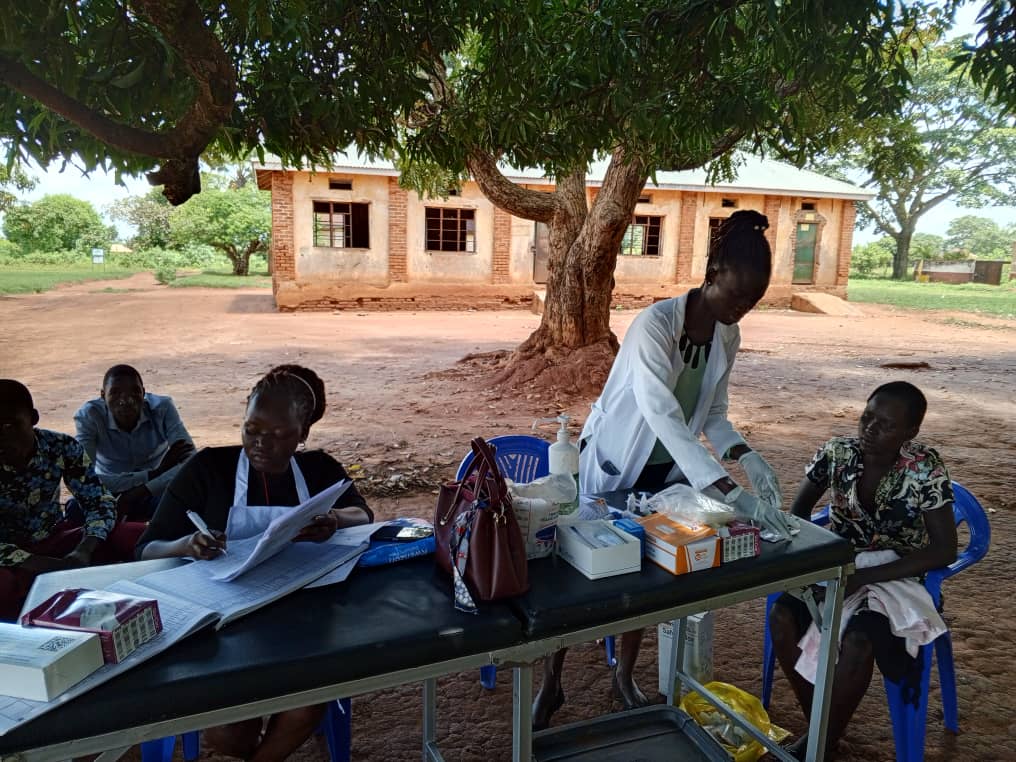
Adolescents and Youth. SRHR information and counseling usually provided at the hub through partners.
The main challenge Innovation hub deals with include Youth unemployment caused by lack of skills,
lack
of jobs, lack of job skills and poor life skills.
Specifically, the hub focuses on;
- Lack of livelihood (Green/vocational) skills to enable young people
create
enterprises and jobs for themselves
- Lack of business skills that makes the young people not start, manage
and
grow a business
- Poor life skills resulting into poor negotiation skills, poor
interpersonal
skills, fear and lack of innovativeness
- Lack of employability skills caused by inability to write applications
and
resumes that attract jobs
- Low uptake of SRHR services leading to adolescent (unplanned)
pregnancy,
unsafe abortion, STI and poor menstrual health management among others caused by lack of SRHR
information and services and lack of Adolescent friendly space.
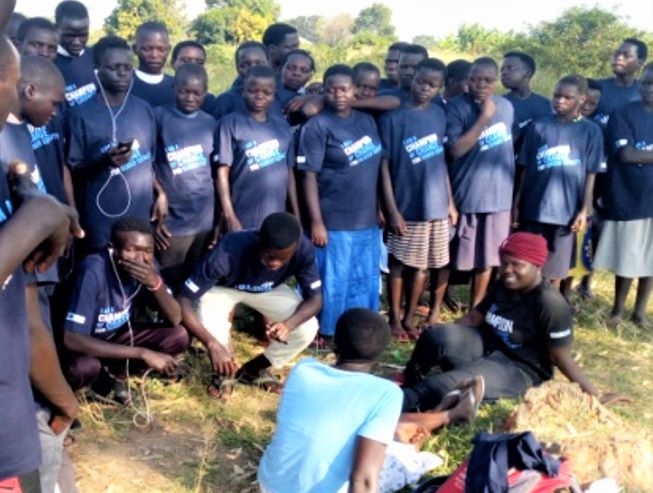
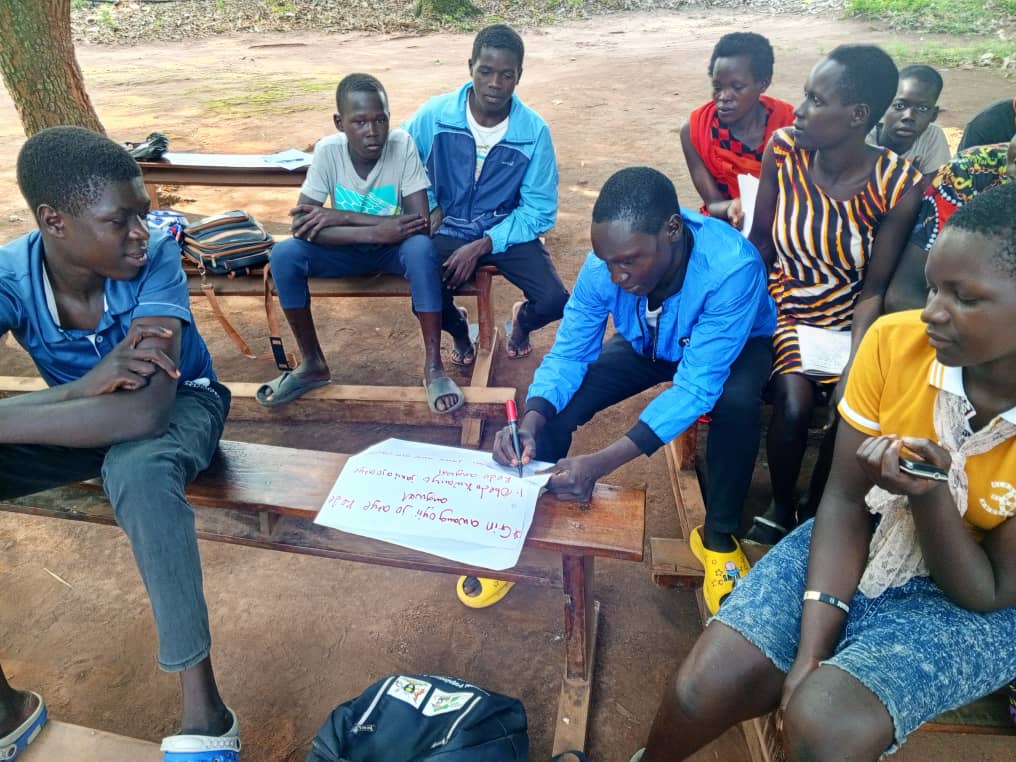
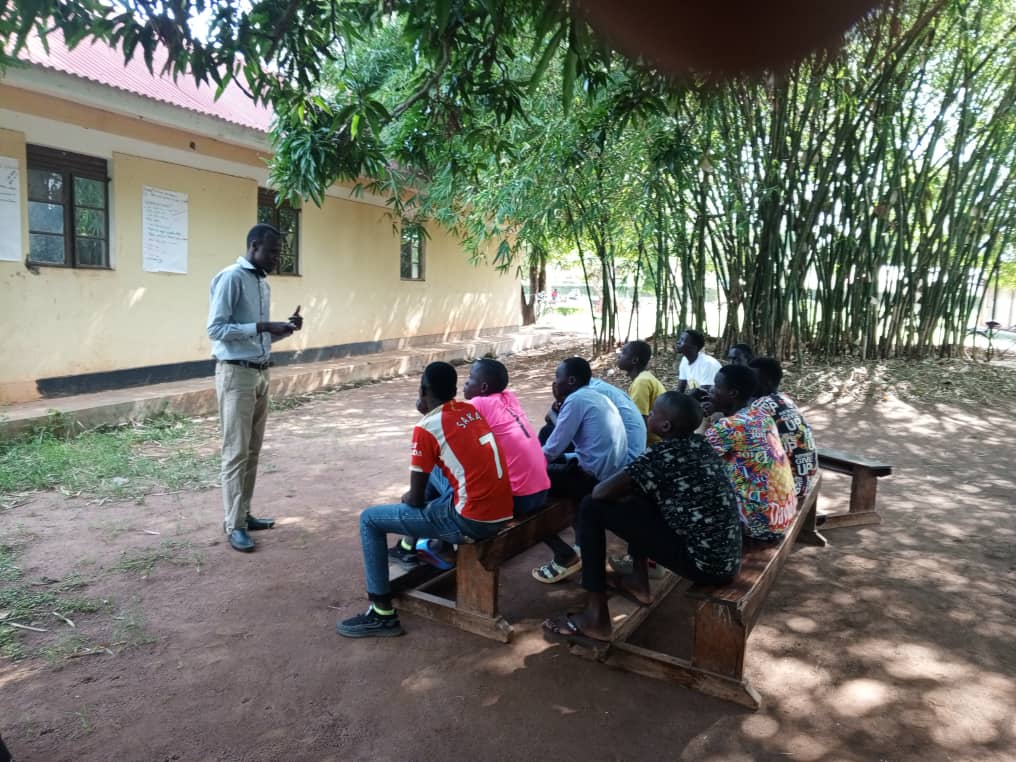
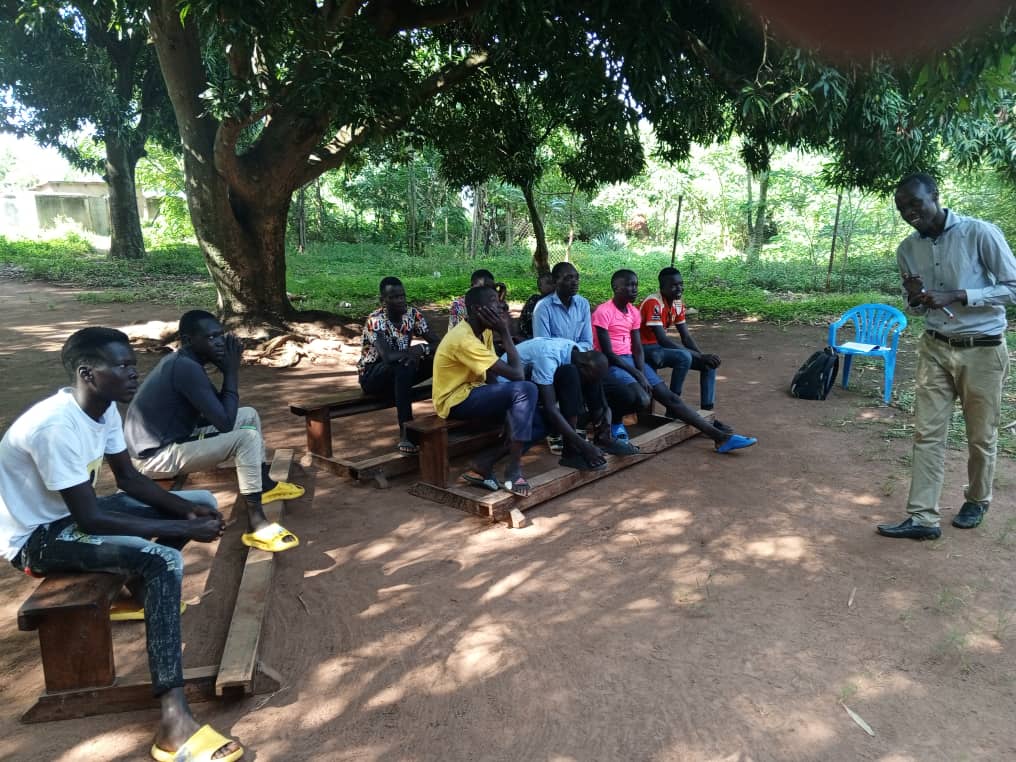
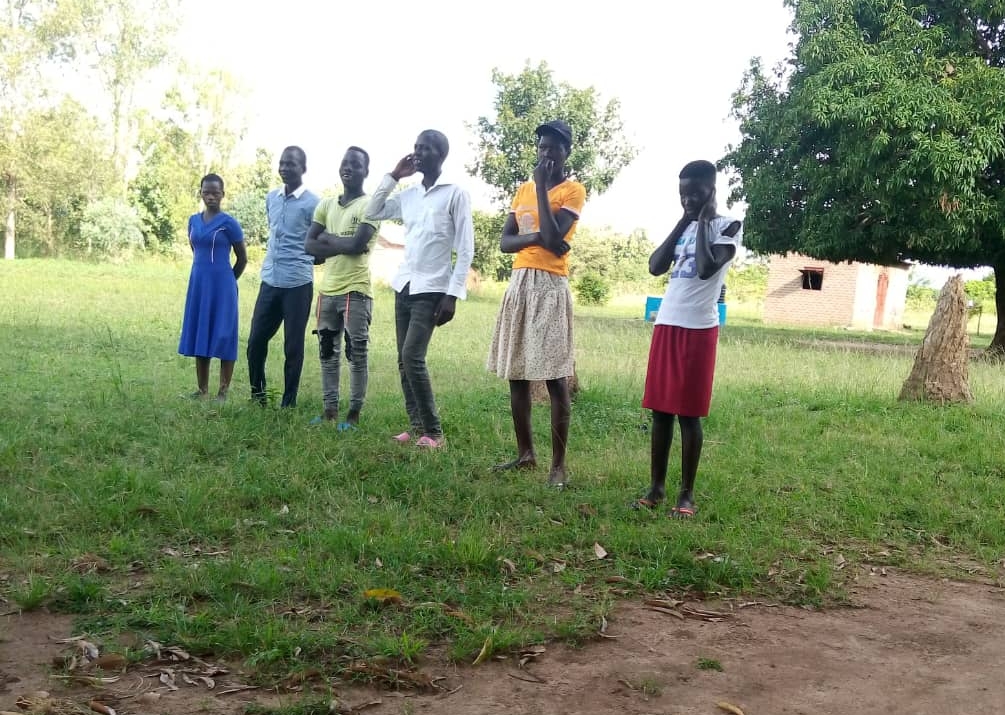
Champions of Change Clubs
CLASS adopted Champions of Change which is Plan International's wide strategy for promoting gender
equality and social norm change through;
- Girls empowerment
- Boys engagement
- Peer-to-peer mobilisation
- Intergenerational dialogues.
Champions of Change is designed to work with existing youth networks and girls and boys clubs, or to
support the creation of new ones where they do not exist in target communities, adjusting to specific
cultural, social and economic realities.
2. Increasing access to improved AYFGR-SRHR services
The Increasing Access to Improved AYFGR-SRHR Services project, funded by the
National
Coalition for Human Rights Defenders Uganda, started in 2023 and is also set to
end in
2023. The project is currently ongoing.
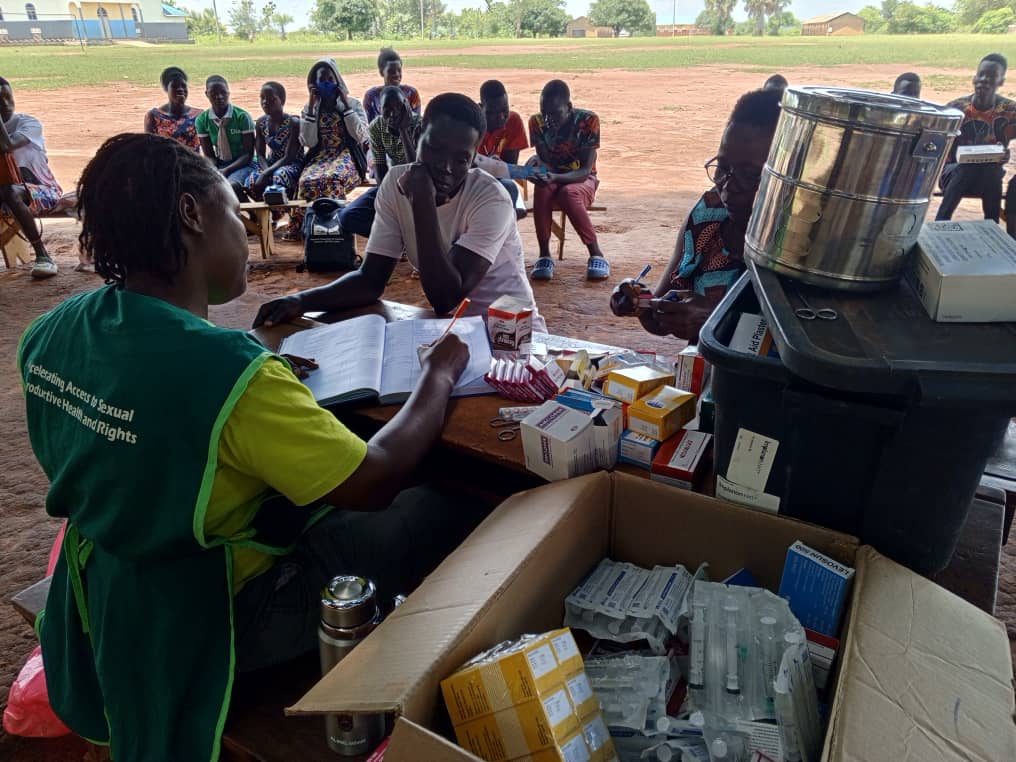
There is poor access to Sexual Reproductive Health Rights (SRHR) services among adolescent youth aged
10-24 years in Alebtong District. Only 20% of the health facilities are providing high quality SRHR
services in Alebtong District, (I decide project baseline 2022). The district HIV prevalence rate is
estimated at 5.7% against national rate of 7.3%. Infections especially among adolescent girls remain
high
largely due to lack of/limited information on SRHR.
While youth friendly spaces have been created
in
the different health centers these are often inadequately facilitated coupled with the poor attitude
exhibited by the health workers makes it more difficult for young people to protect themselves and seek
medical care.
Findings from the end line evaluation of Decide End Child Marriage project showed
that
although 73.3% of the health facilities provide youth friendly services only 9 (60.6%) of the facilities
assessed had youth friendly corners.
Teenage pregnancy rate in Alebtong District stands at 25%
(with
2,190) as of August 2021 (DHIS2, 2021). Teenage pregnancy remains a major social and health concern in
most parts of the district and it has far-reaching consequences that among others include, abortion,
macerated still birth and maternal mortality. Similarly, children born to teenage mothers are usually at
high risk of sickness and death as opposed to those born to adult mothers. Teenage pregnancy is also the
number one most cause of girl child school dropout.
Child marriage is a violation of article 16(2)
of
the Universal Declaration of Human Rights (UDHR) which says “Marriage shall be entered into only with
the
free and full consent of the intending spouses”. Unfortunately, most girls especially those living in
rural areas are forced into marriage by their parents. The Magnitude of Children 12-19 Years currently
being married in Alebtong District is at 5.28% with a total of 2,042 child marriages (DHIS2, 2021).
State and non-state actors have undertaken a number of measures to address teenage pregnancy and child
marriages that have among others included; institution of policy frameworks to curb the vice such as the
National Strategy on Ending Child Marriage and Teenage Pregnancy.
Although the framework was disseminated to the different districts the realization of resources for its
implementation remained a challenge. It is up to each district to work out ways of allocating budget to
the implementation of the strategy. Government has also instituted the Sexuality Education framework that
seeks to create and overarching direction for responding to sexuality education for young people in formal
settings.
While the framework was passed few years ago, there is still need for CSOs to influence
other stakeholders such as the religious and cultural leaders to fully embrace it and influence government
to allocate resources for its roll out and implementation. There is also need to influence local
government to ensure that all the health centers have functioning youth friendly spaces.
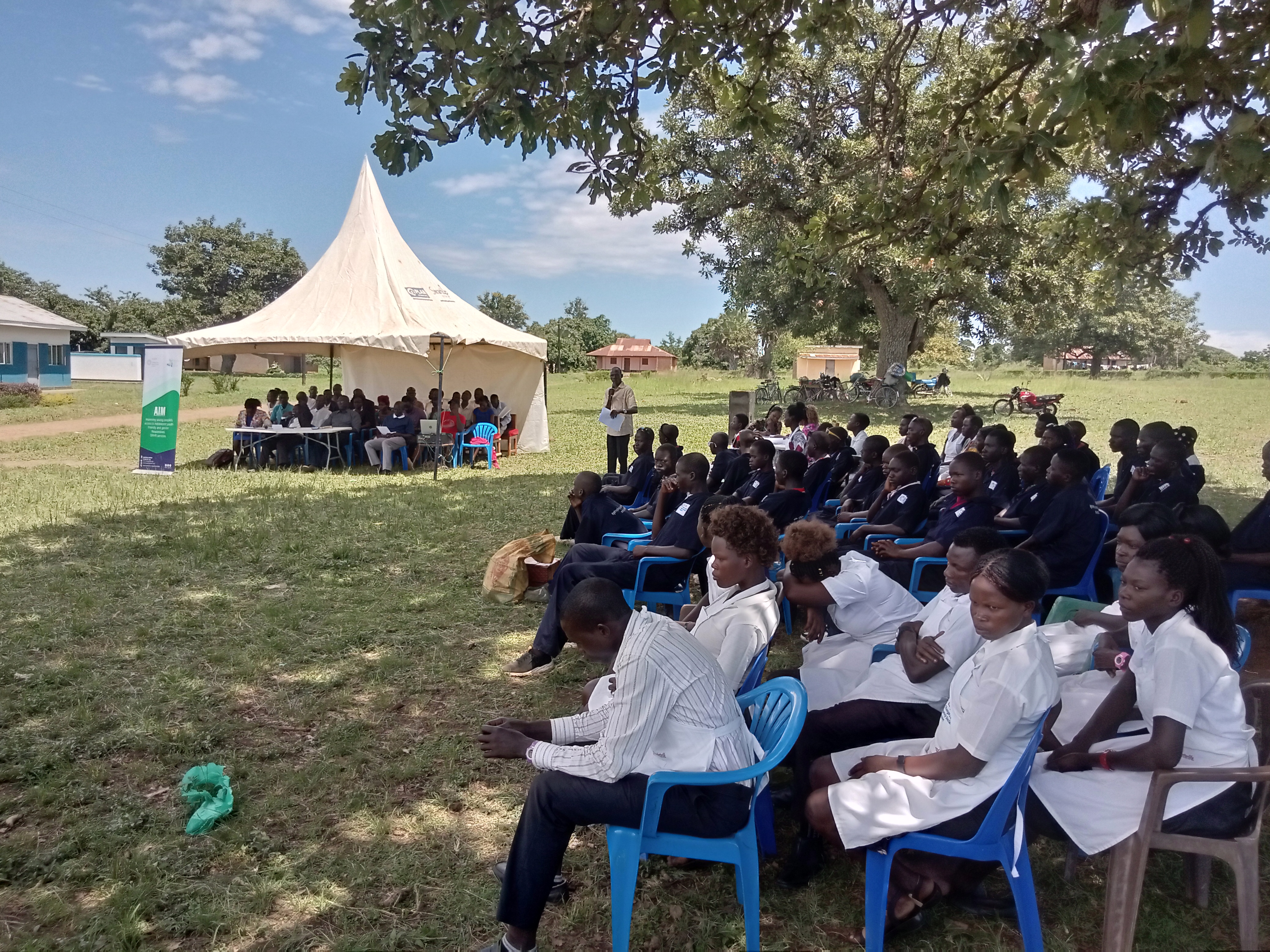
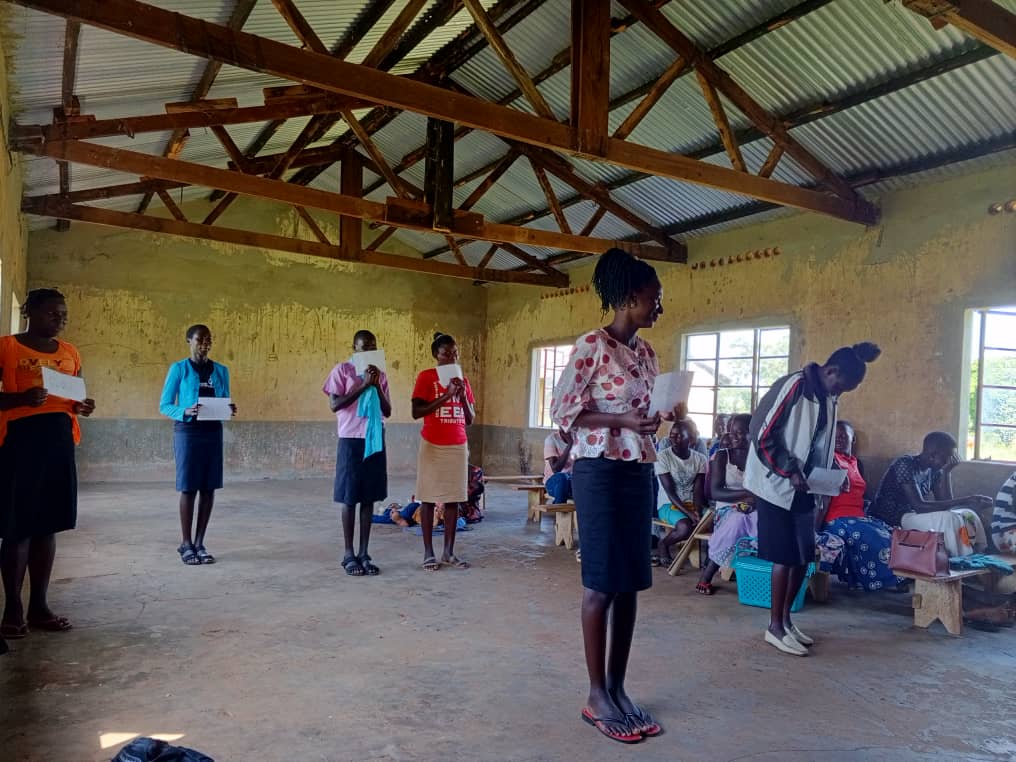
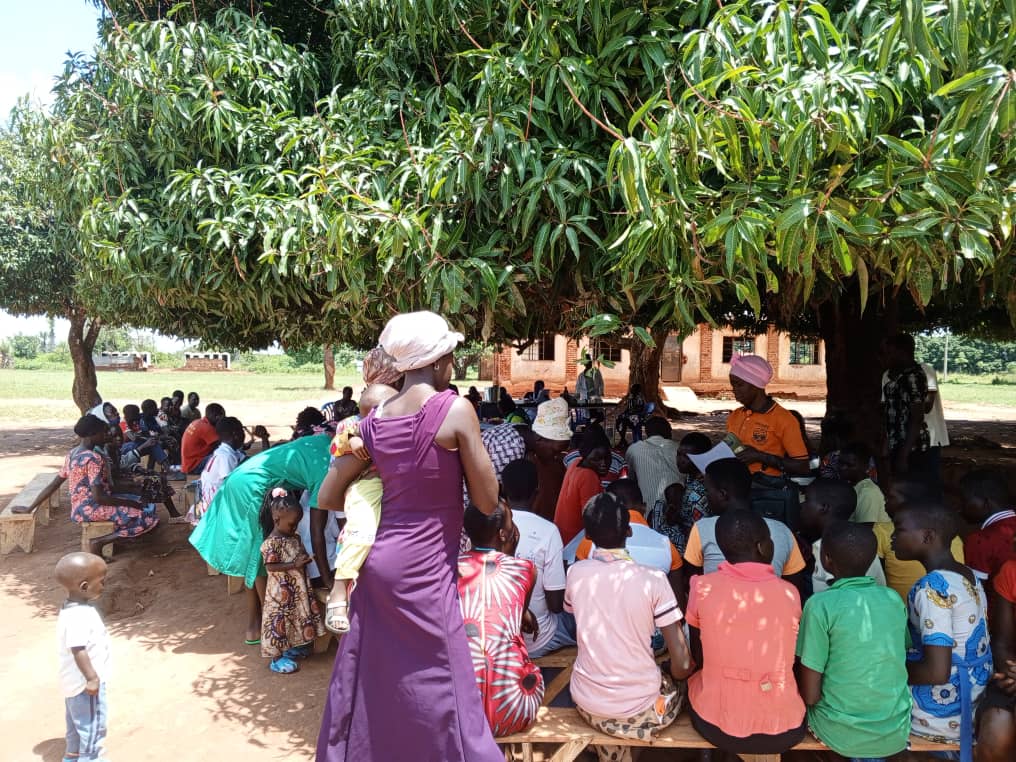
It is upon this background that CLASS supports youth coalition members to hold state monitoring and
accountability forums at Sub County and District levels with the aim of influencing Alebtong District to
commit and provide adolescent youth friendly gender responsive SRHR services.
All the health centers in Alebtong District have functional Youth friendly spaces and are adequately
facilitated to help in the provision of Adolescent Youth Friendly Gender Responsive SRHR services for
example, Youth friendly spaces providing complete, accurate, and correct and age appropriate SRHR
information among others.
3. Access to affordable clean energy
The Access to Affordable Clean Energy project, funded by Enventure,
started in 2020 and concluded in 2021. The project was
successful.
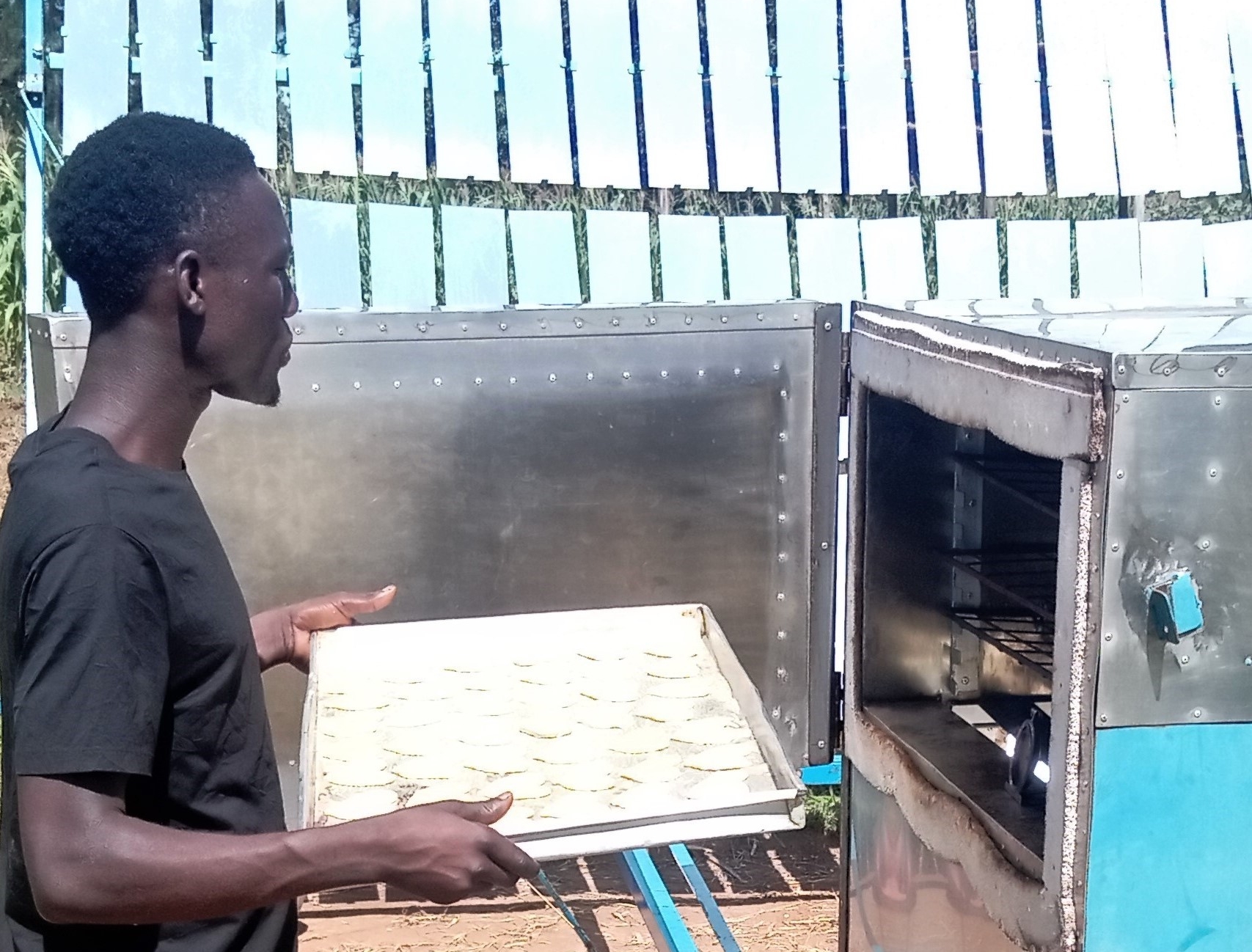
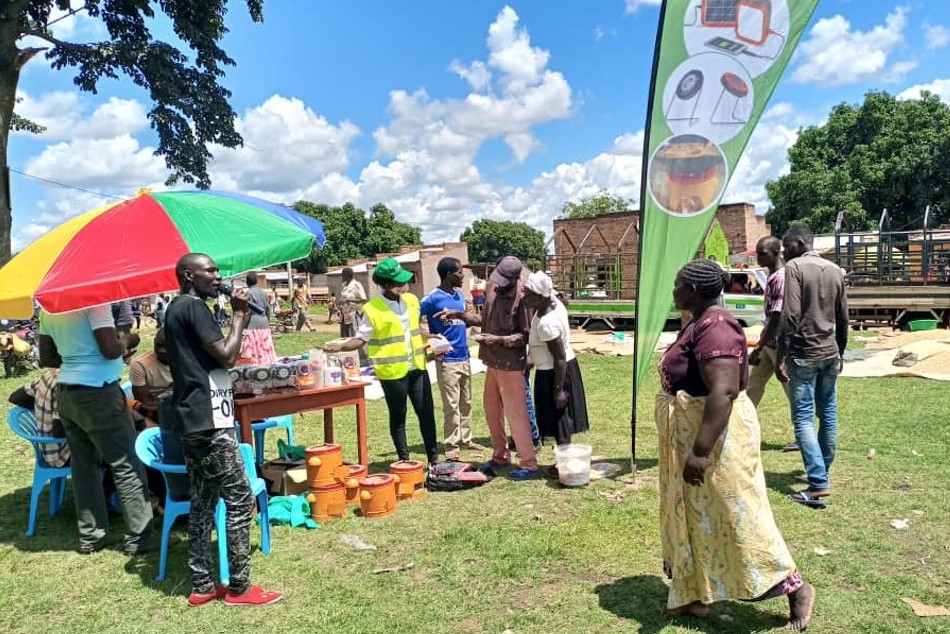
The focus of this energy project is to address the issues of accessibility and affordability of clean
and
environmentally friendly energy technologies for example, improved cook stoves, solar lamps and
briquettes
that are being used as alternatives to local energy technologies such as Kerosene lamps, three stone
traditional method of cooking using wood fuel energies that have led to environmental pollution and
health
hazards.
CLASS brings those products closer to people living at the base of the pyramid/hard to reach areas and
sell them at cheaper prices.
4. Decide End Child Marriage
The Decide End Child Marriage project, funded by Plan International, began
in 2018 and concluded in 2021. The project was
successful.
The overall goal of decide end child marriage project is to ensure that Adolescent Boys and Girls aged
10-19 years from Lango and Acholi sub regions are protected against child marriage and empowered to
enjoy
their Sexual Reproductive Health Rights (SRHR) in a violence free society that values girls.